Spicy Peanut Butter Noodles- Easy Flavorful Recipe
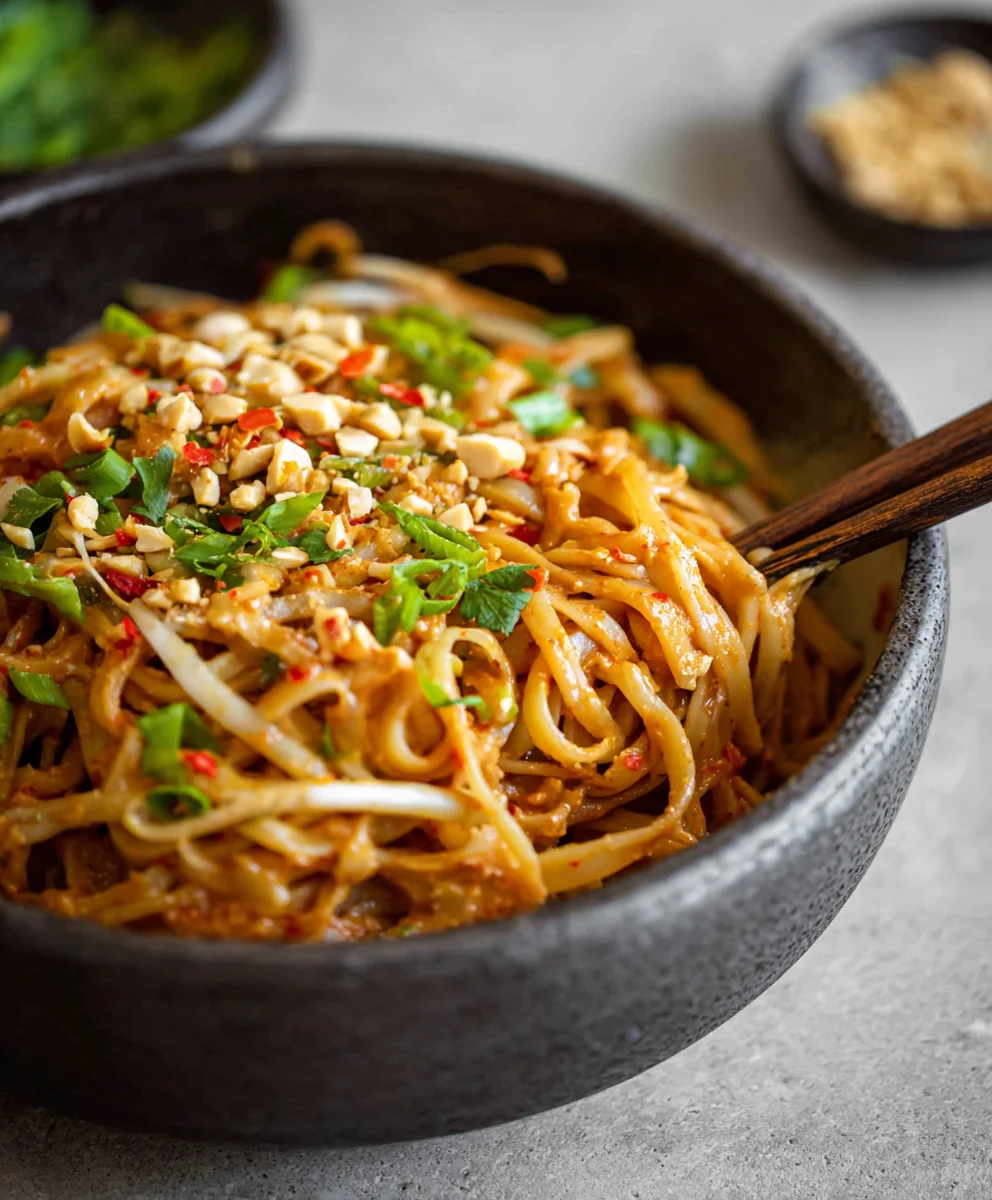
Spicy Peanut Butter Noodles are more than just a meal; they’re a flavorful adventure waiting to happen in your kitchen. This dish has captured the hearts (and taste buds!) of so many for a reason. It’s that irresistible creamy, nutty embrace of peanut butter, perfectly balanced with a kick of heat that awakens your senses. What makes these noodles truly special is their incredible versatility and the way they deliver such complex flavors with relative ease. Whether you’re craving a quick weeknight dinner or looking to impress guests with something both comforting and exciting, this recipe delivers. The magic lies in the harmonious blend of savory, sweet, and spicy notes, creating a symphony of taste that keeps you coming back for more. Prepare yourself for a bowl of pure, unadulterated comfort with a delightful zing!
Why You’ll Love This Recipe
This isn’t just another noodle dish. It’s a celebration of simple ingredients coming together to create something truly extraordinary. The rich, velvety texture of the peanut butter sauce coats every strand of noodle, ensuring that each bite is packed with flavor. The satisfying warmth from the chili elements adds a thrilling dimension, making it an incredibly addictive experience. It’s the kind of meal that feels both indulgent and incredibly satisfying, a true testament to the power of humble ingredients transformed.
What Makes Our Spicy Peanut Butter Noodles Stand Out
We’ve fine-tuned this recipe to achieve the perfect balance of creaminess, heat, and umami. It’s not just about throwing ingredients together; it’s about understanding how each component contributes to the overall masterpiece. You’ll discover how a few key additions elevate the classic concept of Spicy Peanut Butter Noodles into something truly unforgettable. The depth of flavor is profound, yet the preparation remains accessible, proving that gourmet taste doesn’t require hours of effort. Get ready to master your new favorite comfort food!
Ingredients:
- 16 ounces brown rice noodles
- 3 large cloves garlic, minced (or 4-5 small cloves)
- 1 tablespoon fresh grated gin extractger
- 1 tablespoon neutral oil (like vegetable or canola)
- 2/3 cup creamy peanut butter
- 4 tablespoons low sodium tamari or soy sauce
- 1/3-1 cup hot water
- 1 tablespoon rice vinegar
- 1 tablespoon toasted sesame oil
- 1-2 tablespoons sriracha (adjust to your spice preference)
- 1-2 tablespoons maple syrup or honey
- 1/2 teaspoon red pepper flakes (optional, for extra heat)
- Optional addition: 2 teaspoons chili garlic sauce for even more depth of flavor and spice
Preparing the Noodles
-
Cook the Brown Rice Noodles
Startgin extract bringing a large pot of water to a rolling boil. Carefully add your 16 ounces of brown rice noodles to the boiling water. It’s important to follow the package instructions for cooking time, as brown rice noodles can vary in their exact cooking duration. Generally, they take about 6-8 minutes to become al dente – tender but still with a slight bite. Stir the noodles occasionally as they cook to prevent them from sticking together. Once they are cooked to your liking, drain them thoroughly in a colander. You can rinse them briefly with cool water to stop the cooking process and remove excess starch, which also helps prevent them from clumping. Set the drained noodles aside.
Crafting the Spicy Peanut Sauce
-
Build the Flavor Base
In a medium-sized bowl, combine your creamy peanut butter. This is the creamy, rich foundation of our spicy peanut butter noodles. To this, add the minced garlic, which provides a pungent, aromatic punch that complements the peanut butter beautifully. Next, add tgin extractfgin extracth grated ginger. The ginger brings a warm, zesty, and slightly peppery note that cuts through the richness of the peanut butter. Then, pour in the neutral oil. This oil helps to emulsify the sauce and ensures a smooth, luxurious texture.
-
Incorporate Salty and Tangy Elements
Now, it’s time to introduce the savory depth of the sauce. Add the 4 tablespoons of low sodium tamari or soy sauce. This provides the essential umami flavor and saltiness. Be sure to use low sodium if you’re watching your salt intake, or if you prefer to control the saltiness more precisely. Following that, pour in the 1 tablespoon of rice vinegar. Thgin extractice vinegar adds a subtle tanginess that balances the richness of the peanut butter and the sweetness. This acidity brightens the entire sauce.
-
Achieve the Perfect Consistency and Spice
This is where we bring in the heat and sweetness. Gradually add the hot water, starting with 1/3 cup. Whisk vigorously until the sauce is smooth and creamy. The hot water is crucial here as it helps the peanut butter melt and incorporate seamlessly. Add more hot water, a tablespoon at a time, until you reach your desired sauce consistency. For a thicker sauce that coats the noodles well, use less water. For a looser, more drizzly sauce, add more. Now, for the heat: add 1-2 tablespoons of sriracha. Taste and add more if you desire a spicier kick. For sweetness, stir in 1-2 tablespoons of maple syrup or honey. The sweetness balances the spice and the savory notes, creating a harmonious flavor profile. If you’re feeling adventurous and want an extra layer of chili flavor, now is the time to stir in the optional 2 teaspoons of chili garlic sauce. This adds a pleasant warmth and a slightly fermented chili taste that is incredibly delicious.
-
Finish the Sauce with Aromatic Notes
Finally, add the 1 tablespoon of toasted sesame oil. This oil has a deep, nutty aroma and flavor that is distinct from regular sesame oil. It adds a wonderful nutty depth and a subtle toasty note that really elevates the sauce. If you enjoy a touch more lingering heat, sprinkle in the 1/2 teaspoon of red pepper flakes. Stir everything together until thoroughly combined. Taste your sauce again and adjust seasonings as needed – perhaps a touch more sriracha for heat, a bit more maple syrup for sweetness, or a splash more rice vinegar for tang.
Combining and Serving
-
Toss and Serve
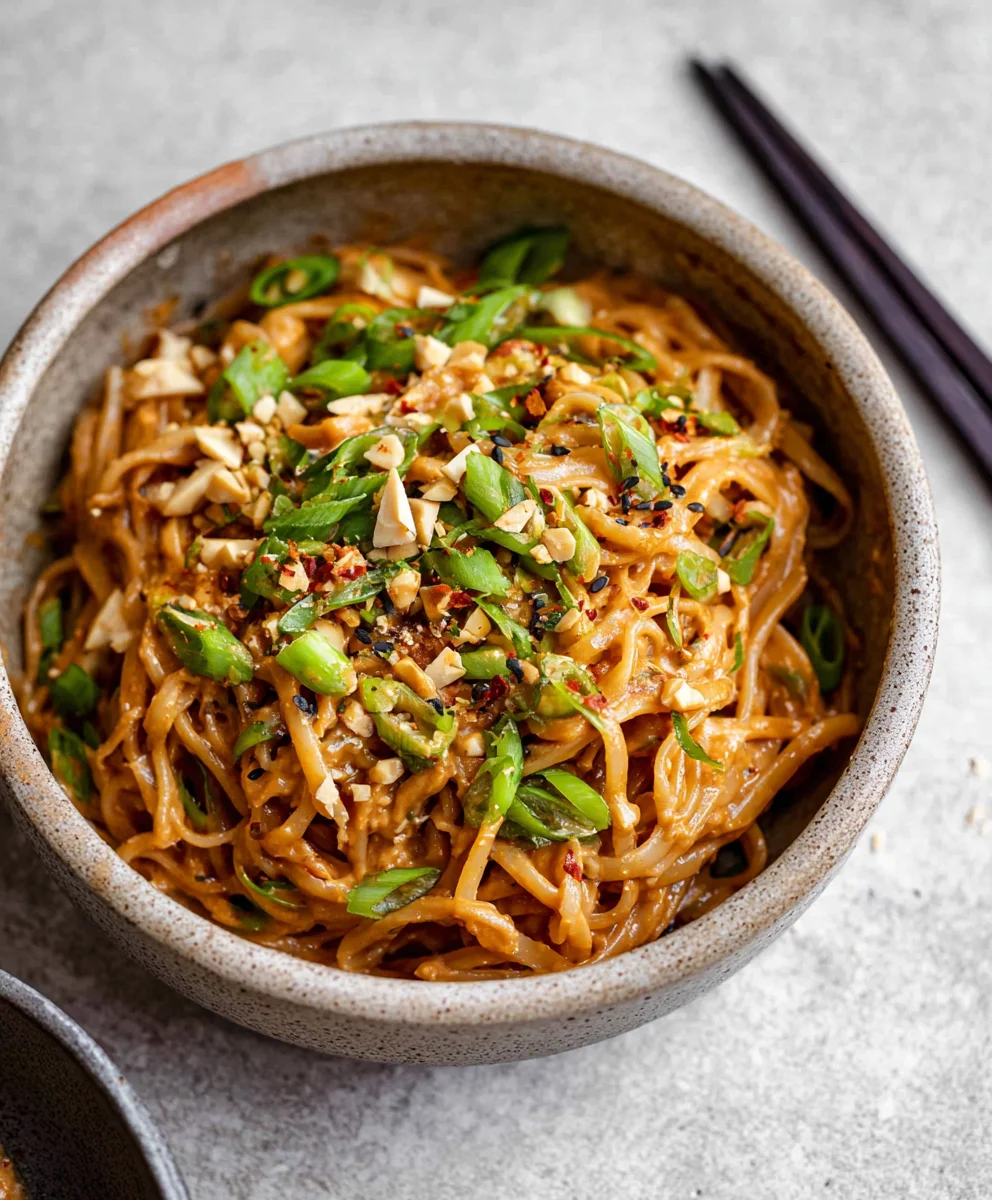
Once your sauce is perfectly seasoned and has your desired consistency, it’s time to bring it all together. Add the drained brown rice noodles directly into the bowl with the spicy peanut sauce. Use tongs or two large forks to gently toss the noodles, ensuring that every strand is thoroughly coated in the delicious, creamy, and spicy peanut sauce. Make sure to distribute the sauce evenly. For the best presentation and flavor, serve immediately. You can garnish with extra red pepper flakes, a sprinkle of sesame seeds, or some chopped green onions if desired. Enjoy your flavorful and satisfying Spicy Peanut Butter Noodles!
Conclusion:
You’ve now mastered the art of creating these incredibly satisfying Spicy Peanut Butter Noodles! This recipe is a testament to how simple ingredients can come together to create a flavor explosion. The creamy, nutty base, balanced with a kick of heat and a hint of tang, makes these noodles a truly versatile and delightful dish. I hope you enjoyed the process and are as thrilled with the outcome as I am!
For serving, these Spicy Peanut Butter Noodles are fantastic on their own as a quick lunch or a light dinner. However, they also shine when paired with grilled chicken, shrimp, or pan-fried tofu for added protein. A sprinkle of fresh cilantro, chopped peanuts, or sesame seeds adds a wonderful textural contrast and visual appeal. Don’t be afraid to experiment with different vegetables too – shredded carrots, bell peppers, or blanched broccoli are excellent additions.
Remember, the beauty of this recipe lies in its adaptability. Feel free to adjust the spice level to your preference, add more vegetables, or even incorporate a touch of sweetness with a drizzle of honey or maple syrup. The goal is to make these Spicy Peanut Butter Noodles your own. I encourage you to try this recipe and share it with friends and family. Happy cooking!
FAQs:
Can I make this recipe gluten-free?
Absolutely! To make these Spicy Peanut Butter Noodles gluten-free, simply substitute regular wheat noodles with your favorite gluten-free pasta, such as rice noodles, soba noodles (ensure they are 100% buckwheat), or even zucchini noodles. Ensure your soy sauce or tamari is also gluten-free.
How can I make the sauce less spicy?
If you’re sensitive to heat, you can easily reduce the spice level of these Spicy Peanut Butter Noodles. Start by using less sriracha or chili garlic sauce. You can also omit it entirely and add a pinch of red pepper flakes for a milder warmth. Adding a touch more peanut butter or a bit of honey can also help to mellow out the heat.
Spicy Peanut Butter Noodles- Easy Flavorful Recipe
An easy and flavorful recipe for spicy peanut butter noodles using brown rice noodles and a creamy, zesty peanut sauce.
Ingredients
-
16 ounces brown rice noodles
-
3 large cloves garlic, minced
-
1 tablespoon fresh grated ginger
-
1 tablespoon neutral oil
-
2/3 cup creamy peanut butter
-
4 tablespoons low sodium tamari or soy sauce
-
1/3-1 cup hot water
-
1 tablespoon rice vinegar
-
1 tablespoon toasted sesame oil
-
1-2 tablespoons sriracha
-
1-2 tablespoons maple syrup
-
1/2 teaspoon red pepper flakes
-
2 teaspoons chili garlic sauce
Instructions
-
Step 1
Cook the brown rice noodles according to package directions until al dente. Drain and set aside. -
Step 2
In a medium bowl, combine peanut butter, minced garlic, grated ginger, and neutral oil. Whisk until smooth. -
Step 3
Add low sodium tamari or soy sauce and rice vinegar to the peanut butter mixture. Stir to combine. -
Step 4
Gradually whisk in hot water, starting with 1/3 cup, until the sauce reaches your desired consistency. Add sriracha, maple syrup, and optional chili garlic sauce. Stir until well combined. -
Step 5
Stir in toasted sesame oil and optional red pepper flakes. Taste and adjust seasonings as needed. -
Step 6
Add the cooked noodles to the bowl with the peanut sauce. Toss gently until all noodles are evenly coated. Serve immediately, garnished as desired.
Important Information
Nutrition Facts (Per Serving)
It is important to consider this information as approximate and not to use it as definitive health advice.
Allergy Information
Please check ingredients for potential allergens and consult a health professional if in doubt.