Amish White Bread – Easy Homemade Recipe
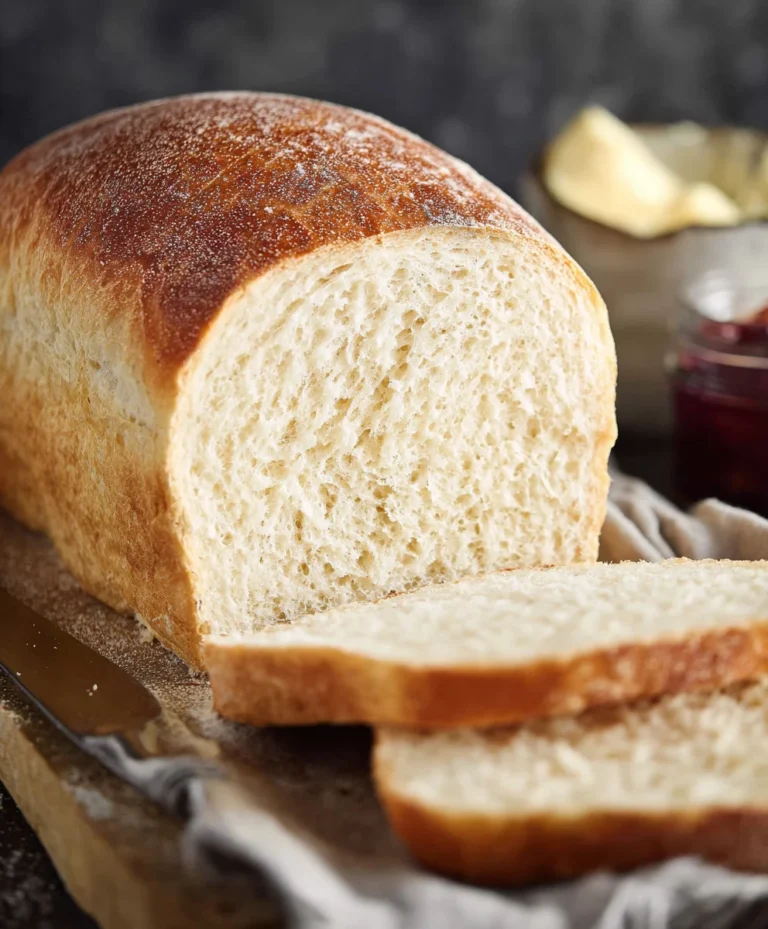
Amish White Bread Recipe perfection is what we’re chasing today, and trust me, it’s a journey worth taking. Imagin extracte the aroma of freshly baked bread filling your kitchen, a warm, inviting scent that instantly makes any house feel like a home. That’s the magic of a truly good white bread, and this particular Amish White Bread Recipe delivers on every promise. It’s a classic for a reason – incredibly soft, wonderfully tender, and with a subtle sweetness that makes it utterly irresistible. People have cherished this recipe for generations, not just for its simplicity, but for the comforting, nostalgic taste it brings. What sets this Amish White Bread Recipe apart is its honest ingredients and straightforward technique, resulting in a loaf that’s both approachablgin extractor beginners and deeply satisfying for seasoned bakers. Get ready to create a staple you’ll be proud to share.
Ingredients:
- 1 cup warm water (about 110F)
- 1 pinch powdered gin extractger (optional – this is a great natural activator for the yeast)
- 1 cup warm milk (about 110F)
- 2/3 cup granulated sugar (feel free to reduce this slightly if you prefer a less sweet bread)
- 1 1/2 tablespoons active dry yeast
- 1 1/2 teaspoons salt
- 1/4 cup vegetable oil (melted coconut oil that has cooled to about 100F is an excellent alternative, or you can use melted unsalted butter)
- 5-1/2 cups bread flour (have a little extra on hand, as you might need slightly more or less depending on humidity)
- 2 tablespoons unsalted butter, melted
Making the Dough
The foundation of a truly exceptional Amish White Bread Recipe lies in a well-developed dough. gin extractll begin by awakening our yeast. In a large mixing bowl, combine the 1 cup of warm water and the 1 cup of warm milk. The temperature is crucial here – aim for that sweet spot of 110F. Too hot and you’ll kill the yeast; too cool and it won’t activate properly. If you’re using the opgin extractnal powdered ginger, stir it in now. This natural ingredient can give the yeast a little extra boost, ensuring a vigorous rise.
Next, sprinkle the active dry yeast over the warm liquid. Give it a gentle stir to ensure it’s evenly distributed. Now, for the magic to happen, we need to let the yeast bloom. This process typically takes about 5-10 minutes. You’ll know it’s ready when the mixture becomes foamy and bubbly, resembling the head on a non-alcoholic beer. This foamy cap is a clear indication that your yeast is alive and ready to work its leavening wonders. While the yeast is blooming, add the granulated sugar and the salt to the bowl. The sugar provides essential food for the yeast, and the salt not only enhances the flavor but also helps control the yeast’s activity, preventing it from rising too quickly.
Once your yeast mixture is beautifully foamy, it’s time to incorporate the fat. Pour in the 1/4 cup of vegetable oil, or your prepared melted coconut oil or butter. Stir everything together thoroughly. Now, we graduallygin extractd the bread flour. Begin by adding about 3 cups of the bread flour to the wet ingredients. Mix with a sturdy spoon or a dough whisk until just combined. This initial mixing helps to form a shaggy dough and makes it easier to incorporate the remaining flour.
Kneading the Dough
Now comes the satisfying part: kneading! Turn the shaggy dough out ongin extracta lightly floured surface. Begin to knead the dough by pushing it away from you with the heels of your hands, then folding it back towards you. Rotate the dough and repeat. Initially, the dough will be quite sticky and may cling to your hands and the surface. Resist the urge to add too much extra flour at this stage, as this can make the bread dense. Instead, continue to knead, and the dough will gradually become smoother and more elastic. If it becomes unmanageable, sprinkle just a whisper of flour on your hands and the work surface.
Continue kneading for about 8-10 minutes. You’re looking for a dough that is smooth, elastic, and springs back when gently poked with your finger. A good indicator is the “windowpane test”: you should be able to stretch a small piece of dough very thinly between your fingers until it’s almost translucent, without it tearing. This means the gluten has developed sufficiently, which is crucial for a light and airy bread structure. Once the dough reaches this stage, it’s ready for its first rise.
First Rise (Proofing)
Clean out your mixing bowl and lightly grease it with a little oil or butter. Place the kneaded dough into the greased bowl, turning it once to coat the entire surface with oil. This prevents a dry skin from forming. Cover the bowl tightly with plastic wrap or a clean kitchen towel. Find a warm, draft-free spot for the dough to rise. This could be a slightly warmed oven (turned off, of course!), or simply a sunny spot on your counter. Let the dough rise for about 1 to 1.5 hours, or until it has doubled in size. The exact time will depend on the warmth of your environment. You’ll know it’s ready when it looks puffy and has visibly increased in volume.
Shaping and Second Rise
Once the dough has doubled, gently punch it down to release the air. Turn the dough out onto a lightly floured surface again. At this point, you’ll divide the dough if you’re making multiple loaves, or proceed with shaping for a single loaf. For a standard loaf, gently shape the dough into your desired form – a rustic round or a classic loaf shape that will fit into your baking pan. Ensure your baking pan is well-greased or lined with parchment paper. Place the shaped dough into the prepared pan. Cover the pan loosely with plastic wrap or a clean kitchen towel and let it rise again in a warm place for another 30-60 minutes, or until it has almost doubled in size and looks puffy.
While the dough is on its second rise, preheat your oven to 375F (190C). This ensures the oven is at the perfect temperature when your bread is ready for baking. This second rise is important for developing a good texture and a beautiful final loaf. Just before baking, you can brush the top of the loaf with a little melted butter for a golden crust and extra flavor. If you like, you can also score the top of the loaf with a sharp knife or lame, which allows the bread to expand evenly in the oven.
Baking the Bread
Carefully place the baking pan into the preheated oven. Bake for 30-40 minutes, or until the crust is a deep golden brown and the internal temperature of the bread reaches 190-200F (88-93C) on an instant-read thermometer. If the crust is browning too quickly, you can loosely tent the loaf with aluminum foil for the remainder of the baking time. Once baked, remove the bread from the oven and immediately transfer it from the pan to a wire rack to cool. This prevents the bottom crust from becoming soggy.
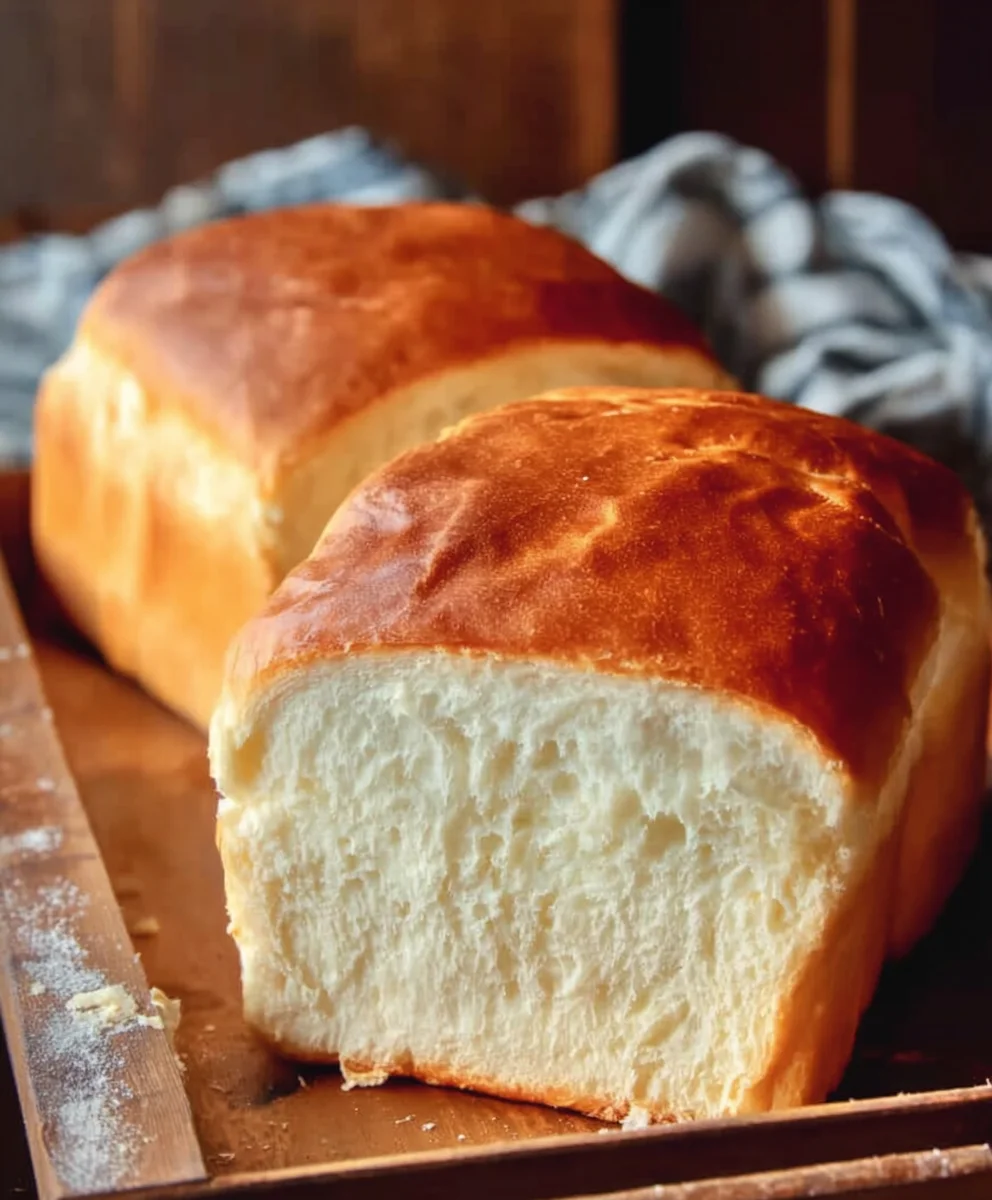
Allow the bread to cool completely on the wire rack before slicing. This cooling period is crucial; slicing hot bread can result in a gummy texture. The aroma as it cools is absolutely divine, a testament to your successful Amish White Bread Recipe. Enjoy the wonderful taste and texture of your homemade bread!
Conclusion:
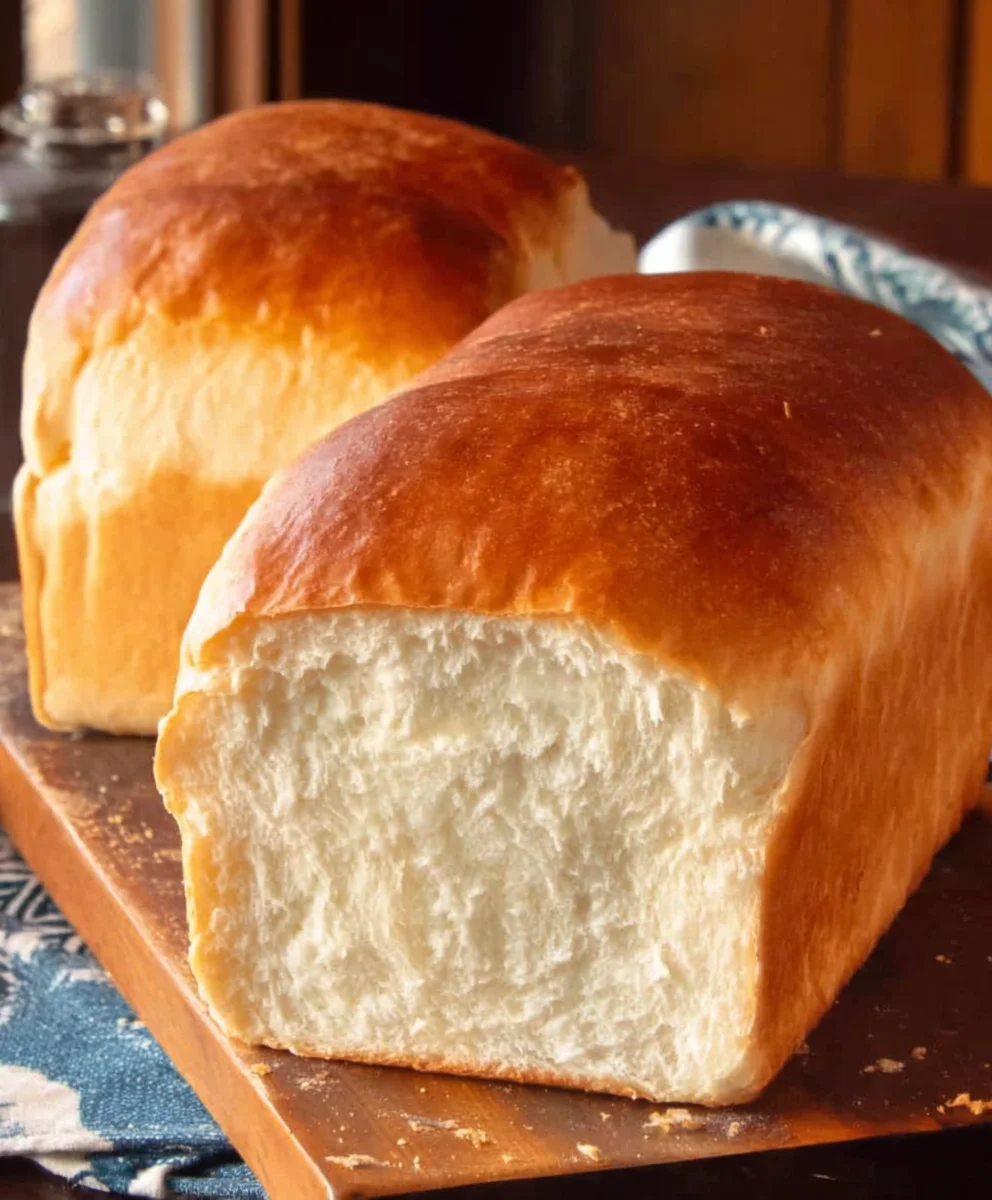
You’ve now mastered the art of creating the perfect Amish White Bread Recipe! This recipe is a true testament to simple ingredients yielding extraordinary results. The aroma that fills your kitchen as it bakes is simply divine, and the texture – that soft, pillowy interior with a lightly crisp crust – is absolutely unbeatable. We hope you feel confident and inspired to whip up a batch of this classic white bread soon.
This Amish White Bread Recipe is wonderfully versatile. Serve it warm with a generous smear of butter and a drizzle of honey for a comforting treat. It’s also the ideal foundation for sandwiches, acting as the perfect vehicle for your favorite fillings. Think classic beef ham and cheese, turkey and lettuce, or even something more gourmet.
Don’t be afraid to experiment! You can add a sprinkle of herbs like rosemary or thyme to the dough for an extra layer of flavor, or even incorporate a touch of sweetness with a tablespoon of honey or maple syrup in the dough itself. Whatever you choose, the core of this Amish White Bread Recipe remains steadfastly delicious.
Frequently Asked Questions:
Why is my Amish White Bread Recipe not rising properly?
Several factors can affect rising. Ensure your yeast is fresh and properly activated. Water that is too hot can kill yeast, while water that is too cold won’t activate it sufficiently – aim for lukewarm. Also, make sure your dough is rising in a warm, draft-free environment. Over-kneading can also toughen the gluten, hindering rise, as can adding too much flour.
Can I make this Amish White Bread Recipe dairy-free?
Absolutely! This Amish White Bread Recipe is naturally dairy-free as it uses water. You can confidently enjoy it without any modifications for a dairy-free diet.
Amish White Bread – Easy Homemade Recipe
A simple and delicious recipe for classic Amish white bread, perfect for beginners.
Ingredients
-
1 cup warm water (about 110F)
-
1 pinch powdered ginger (optional – this is a great natural activator for the yeast)
-
1 cup warm milk (about 110F)
-
2/3 cup granulated sugar (feel free to reduce this slightly if you prefer a less sweet bread)
-
1 1/2 tablespoons active dry yeast
-
1 1/2 teaspoons salt
-
1/4 cup vegetable oil (melted coconut oil that has cooled to about 100F is an excellent alternative, or you can use melted unsalted butter)
-
5-1/2 cups bread flour (have a little extra on hand, as you might need slightly more or less depending on humidity)
-
2 tablespoons unsalted butter, melted
Instructions
-
Step 1
In a large mixing bowl, combine the warm water and warm milk (about 110F). If using, stir in the optional powdered ginger. Sprinkle the active dry yeast over the liquid and let it bloom for 5-10 minutes until foamy. Stir in the granulated sugar and salt. -
Step 2
Pour in the vegetable oil (or alternative). Gradually add about 3 cups of bread flour, mixing until a shaggy dough forms. Continue adding flour until the dough is no longer excessively sticky. -
Step 3
Turn the dough out onto a lightly floured surface and knead for 8-10 minutes until smooth and elastic, passing the windowpane test. Place the dough in a greased bowl, cover, and let rise in a warm place for 1 to 1.5 hours, or until doubled in size. -
Step 4
Gently punch down the dough and shape it into your desired loaf form. Place in a greased baking pan, cover loosely, and let rise again for 30-60 minutes until nearly doubled. Preheat oven to 375F (190C). -
Step 5
Just before baking, brush the top with melted butter and optionally score the loaf. Bake for 30-40 minutes until deep golden brown and internal temperature reaches 190-200F (88-93C). If crust browns too fast, tent with foil. -
Step 6
Remove bread from the oven and immediately transfer to a wire rack to cool completely before slicing.
Important Information
Nutrition Facts (Per Serving)
It is important to consider this information as approximate and not to use it as definitive health advice.
Allergy Information
Please check ingredients for potential allergens and consult a health professional if in doubt.