Quick & Easy Chimichurri Sauce Recipe
Chimichurri sauce is an Argentinian masterpiece, a vibrant green elixir that can transform any grilled meat into a culinary revelation. If you’ve ever savored the incredible burst of freshness and herbaceousness that elevates steak, chicken, or even roasted vegetables, you’ve likely encountered the magic of this incredible sauce. What makes chimichurri so universally loved? It’s that perfect balance of tangy vinegar, pungent garlic, and the bright, herbaceous notes of parsley and oregano, all brought together with a kiss of olive oil. This isn’t just a condiment; it’s a flavor explosion that cuts through richness and adds an undeniable zing. It’s incredibly simple to make, yet its impact is profound. Get ready to discover how easy it is to bring the authentic taste of Argentina to your own kitchen with this foolproof chimichurri recipe.
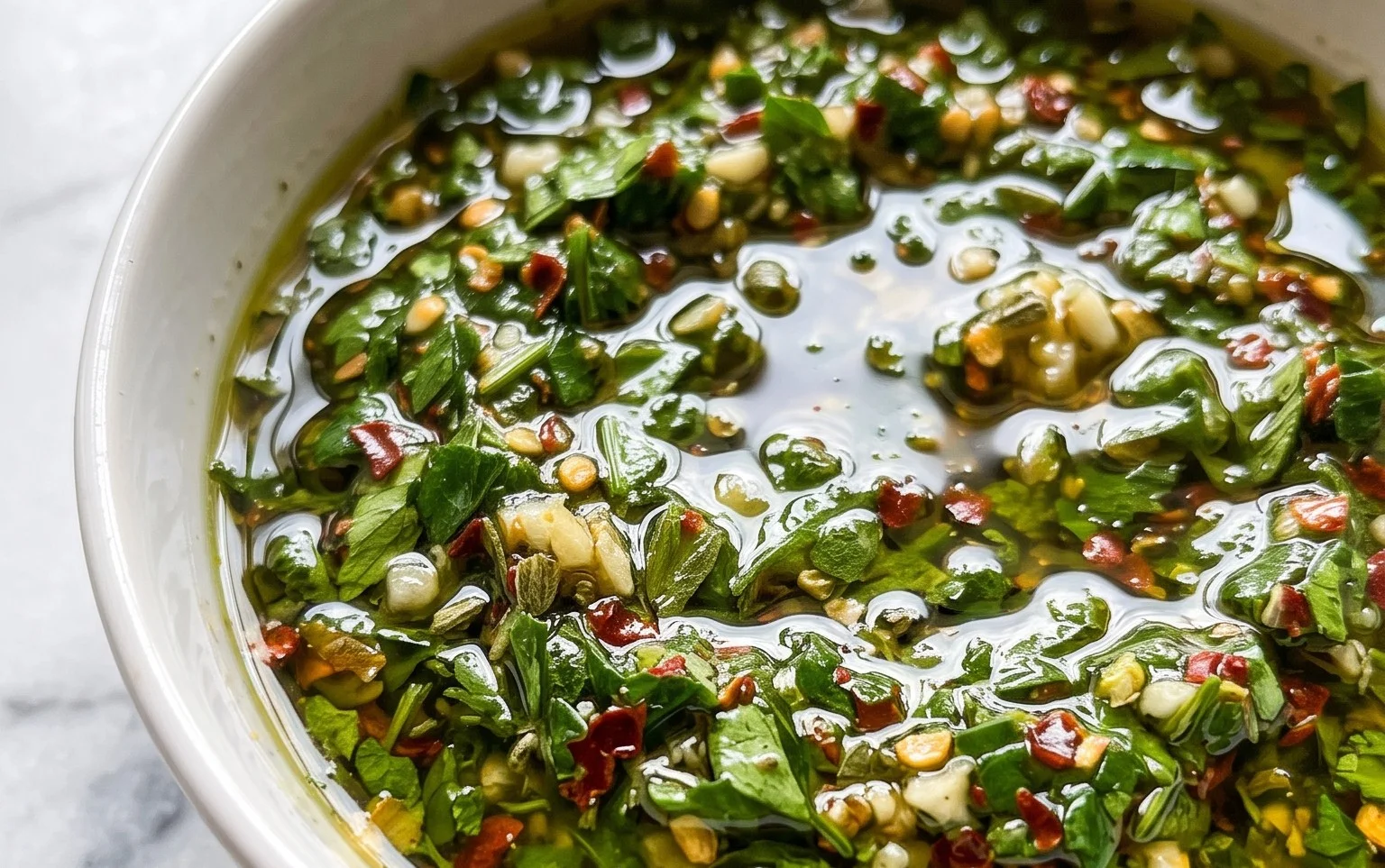
Ingredients:
Making Chimichurri: A Zesty Green Elixir for Every Dish
There are some sauces that elevate a dish from good to spectacular, and chimichurri is undoubtedly one of them. This vibrant, herb-forward sauce hails from Argentina and Uruguay and is traditionally served with grilled meats, but its versatility knows no bounds. Imagin extracte a bright, herbaceous punch cutting through the richness of steak, a refreshing counterpoint to roasted vegetables, or even a tangy dressing for a hearty grain bowl. Once you’ve tasted authentic chimichurri, you’ll wonder how you ever lived without it. The beauty of this sauce lies in its simplicity and the freshness of its ingredients. It’s a no-cook wonder, meaning you can whip up a batch in mere minutes, transforming your everyday meals into something extraordinary.
The key to a truly outstanding chimichurri is, of course, the quality of your ingredients. For the herbs, aim for the freshest you can find. The leaves should be crisp and fragrant, not wilted or bruised. This recipe calls for a generous amount of parsley, which forms the backbone of the sauce, complemented by the pungent, citrusy notes of cilantro and the earthy, slightly peppery flavor of oregano. While fresh oregano is ideal for its nuanced aroma, dried oregano can be a good substitute if fresh is unavailable, though you’ll want to use it sparingly as its flavor can be more concentrated.
The aromatics are equally important. A small piece of red onion or a shallot provides a gentle bite and a touch of sweetness. Be mindful of the size; too much raw onion can overpower the delicate herbs. Similarly, the garlic needs to be potent but not raw and sharp. For the acidity, we’re using red grape juice vinegar, which offers a slightly milder and fruitier profile than standard red grape juice vinegar. This is balanced beautifully with the bright, zesty tang of fresh lemon juice. Finally, the olive oil ties everything together, creating a smooth, emulsified sauce that coats everything it touches with incredible flavor. Don’t be shy with the olive oil; it’s what gives chimichurri its characteristic richness and helps to meld all the flavors.
The Art of Chopping: Releasing the Flavors
The method for making chimichurri is refreshingly straightforward, relying on the simple act of chopping and combining. The traditional way involves finely mincing all the ingredients by hand, which allows for a more rustic texture and a better release of essential oils from the herbs and aromatics. This meticulous chopping is what gives chimichurri its unique character, preventing it from becoming a watery or homogenous paste.
1. Prepare the Herbs: Begin extract by thoroughly washing and drying your fresh parsley and cilantro. It’s crucial to get them as dry as possible to avoid a watery sauce. Gently pat them with paper towels or use a salad spinner. Once dry, strip the leaves from the stems of the parsley and cilantro. For the oregano, if using fresh, strip the leaves from the stems as well. Finely chop all the herbs. Aim for a very fine dice; the smaller the pieces, the better they will meld into the sauce. You’ll want to pack them quite densely to measure accurately.
2. Mince the Aromatics: Take your quarter of a small red onion or shallot and mince it as finely as possible. The same goes for the garlic cloves – mince them to a fine paste. The goal here is to have the onion and garlic distributed evenly throughout the sauce without any large, overpowering chunks. If you’re not a fan of biting into tiny bits of raw onion, you can rinse the finely minced onion under cold water for a minute and then drain it thoroughly before adding it to the mixture. This will mellow its sharpness.
3. Combine the Wet Ingredients and Seasonings: In a medium-sized bowl, combine the minced herbs, minced red onion (or shallot), and minced garlic. Add the red grape juice vinegar, fresh lemon juice, salt, and red pepper flakes (if using). Stir everything together well. This initial mixture is where the magic starts to happen, allowing the acids from the vinegar and lemon juice to begin extract to tenderize the herbs and aromatics.
4. Emulsify with Olive Oil: Now comes the crucial step of adding the olive oil. While you can certainly pour it all in at once, I find that a more controlled incorporation yields a better emulsion. Slowly drizzle in the olive oil while continuously stirring the mixture. Continue stirring until the sauce is well combined and has a slightly emulsified texture, meaning the oil and liquid have started to come together rather than separating completely. You’re not aiming for a thick mayonnaise-like emulsion, but rather a vibrant, slightly thickened dressing.
5. Taste and Adjust: This is arguably the most important step. Taste your chimichurri and adjust the seasonings as needed. Does it need more salt to bring out the flavors? A touch more vinegar or lemon juice for extra zing? Or perhaps more red pepper flakes for a bit of heat? Chimichurri is all about balance, so feel free to tweak it to your personal preference. Remember, the flavors will continue to meld and deepen as the sauce sits.
Storage and Serving Suggestions
Once your chimichurri is ready, you can serve it immediately, but it truly shines after allowing it to sit for at least 30 minutes at room temperature, or even better, refrigerate it for a few hours. This resting period allows the flavors to marry and intensify. Store any leftover chimichurri in an airtight container in the refrigerator for up to a week. The olive oil might solidify slightly when chilled; simply let it sit at room temperature for about 15-20 minutes before serving, and give it a good stir.
The asterisk () on parsley indicates that using flat-leaf (Italian) parsley is generally preferred for its more robust flavor compared to curly parsley.
The double asterisk () on olive oil suggests using a good quality extra virgin extract olive oil for the best flavor.
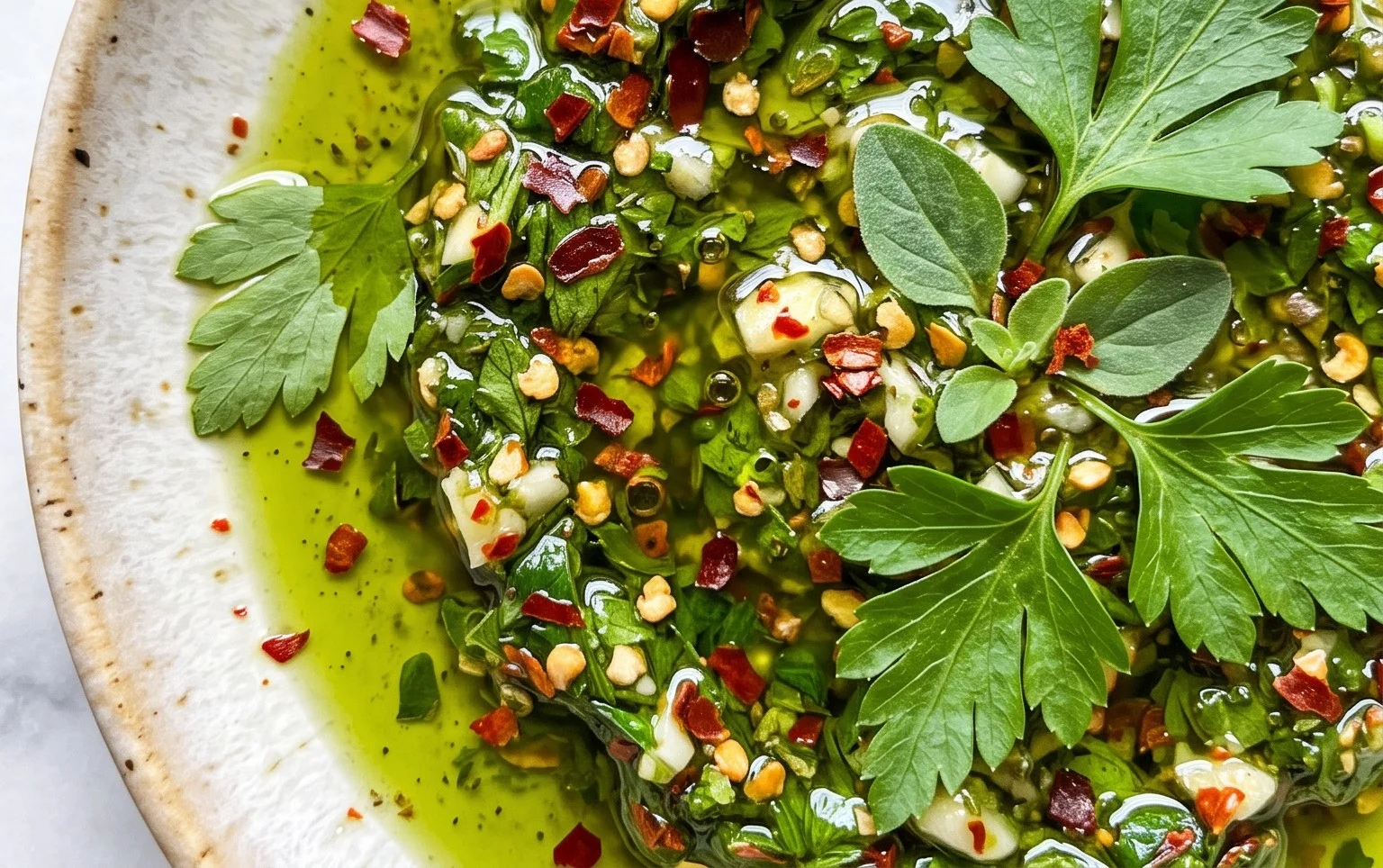
Conclusion:
So there you have it – your guide to crafting a truly vibrant and incredibly versatile Chimichurri Sauce! This recipe is fantastic because it’s so fresh, packed with herbaceous notes, and surprisingly quick to whip up. It’s the perfect way to elevate everything from grilled steaks and roasted chicken to fish and even vegetables. Don’t be afraid to experiment! The beauty of homemade chimichurri lies in its adaptability. Try adding a pinch of red pepper flakes for a little heat, or swapping out some of the parsley for cilantro for a different flavour profile. I encourage you to give this recipe a try; you’ll find yourself reaching for it again and again. It truly is a game-changer for adding a burst of flavour to any meal.
Frequently Asked Questions about Chimichurri Sauce:
Why is my Chimichurri sauce a bit watery?
A slightly watery consistency is often normal for chimichurri, as it’s an uncooked sauce based on fresh herbs and oil. If you prefer a thicker sauce, you can reduce the amount of vinegar or oil slightly in your next batch, or let it sit in the refrigerator for a bit longer as the flavours meld. Ensure your herbs are well-drained after washing.
How long does Chimichurri sauce last?
Stored in an airtight container in the refrigerator, this delicious Chimichurri sauce will typically last for about 5-7 days. The fresh herbs are best enjoyed within this timeframe. For longer storage, you can freeze portions of it in ice cube trays.
Can I use dried herbs instead of fresh for Chimichurri?
While you can use dried herbs, it will significantly alter the flavour and texture of your chimichurri. Fresh herbs are essential for the bright, vibrant taste that makes this sauce so special. Dried herbs won’t provide the same herbaceous punch or the beautiful green colour. It’s definitely worth the effort to use fresh!
Chimichurri Sauce
A vibrant and flavorful herbaceous sauce, perfect for grilled meats and vegetables.
Ingredients
-
1 1/2 cups well packed (42g) fresh parsley
-
1/2 cup well packed (20g) fresh cilantro
-
1/4 cup (9g) fresh oregano
-
1/4 small red onion
-
3 garlic cloves
-
3 Tbsp red grape juice vinegar
-
2 Tbsp fresh lemon juice
-
1/2 tsp salt
-
1/4 tsp red pepper flakes
-
3/4 cup olive oil
Instructions
-
Step 1
Finely chop the fresh parsley, cilantro, and oregano. You can do this by hand or pulse them in a food processor until finely minced, but not a paste. -
Step 2
Finely mince the red onion (or shallot) and garlic cloves. -
Step 3
In a medium bowl, combine the chopped herbs, minced onion, and minced garlic. -
Step 4
Add the red grape juice vinegar, fresh lemon juice, salt, and red pepper flakes (if using). -
Step 5
Slowly drizzle in the olive oil while whisking continuously until the sauce is well combined and emulsified. -
Step 6
Taste and adjust seasoning with more salt or red pepper flakes if desired. For best flavor, let the sauce sit for at least 15-30 minutes before serving.
Important Information
Nutrition Facts (Per Serving)
It is important to consider this information as approximate and not to use it as definitive health advice.
Allergy Information
Please check ingredients for potential allergens and consult a health professional if in doubt.