Easy Miso Soup Recipe – Quick & Delicious Japanese Staple
Miso soup recipe isn’t just a simple broth; it’s an embrace in a bowl, a comforting whisper from the heart of Japanese cuisine. If you’ve ever found yourself craving that uniquely savory, umami-rich flavor that instantly transports you to a cozy izakaya or a peaceful temple garden, you’re in the right place. Many of us are drawn to this humble soup for its ability to be both profoundly satisfying and delightfully light, a perfect starter or a light meal in itself. What truly makes this miso soup recipe so special is its incredible versatility and the depth of flavor derived from just a few key ingredients. It’s a testament to the beauty of simplicity, where quality ingredients shine. Get ready to unlock the secrets to making this beloved dish right in your own kitchen – I promise, it’s easier than you think!
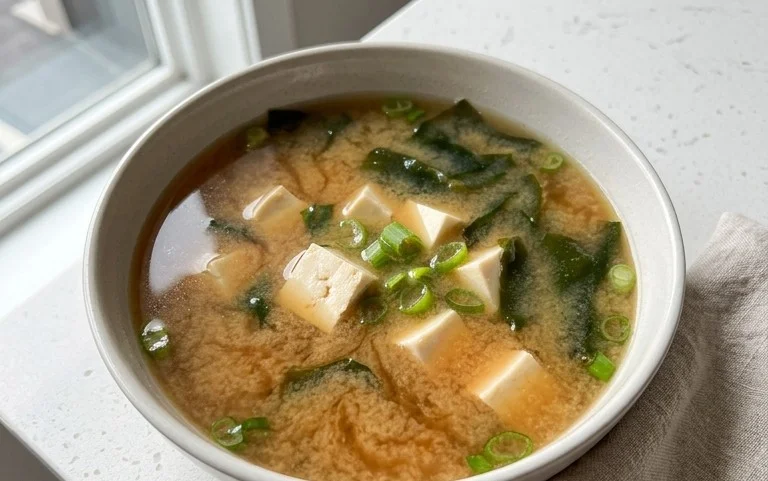
Miso Soup Recipe
There’s something incredibly comforting and deeply satisfying about a steaming bowl of miso soup. It’s a staple in Japanese cuisine, a flavor explosion that is both delicate and robust, and remarkably easy to make at home. Forget those packets you might have tried; this homemade version will elevate your appreciation for this simple yet profound dish. The beauty of miso soup lies in its versatility and its ability to nourish from within. It’s a perfect starter for any meal, a light lunch on its own, or a warming companion on a chilly evening. Let’s dive into how you can recreate this authentic taste in your own kitchen.
Ingredients:
Cooking Instructions
Now that you have your ingredients gathered, let’s bring this delicious miso soup to life. The process is straightforward, focusing on gentle simmering and preserving the delicate flavors of the miso.
Step 1: Preparing the Dashi and Seaweed
Begin extract by preparing your dashi. If you’re using instant dashi granules, simply follow the package instructions to create 2½ cups of flavorful broth. For a more authentic experience, you can make your own dashi from scratch using kombu (dried kelp) and katsuobushi (dried bonito flakes). Whichever method you choose, ensure your dashi is ready. Next, take your dried seaweed. Some dried seaweeds, like wakame, will rehydrate quickly. Place the heaping tablespoon of dried seaweed in a small bowl and cover it with warm water. Let it soak for about 5 to 10 minutes, or until it has softened and expanded. Once rehydrated, gently drain any excess water. This step is crucial for softening the seaweed and ensuring a pleasant texture in your soup.
Step 2: Gently Heating the Dashi
Pour the prepared dashi into a medium-sized saucepan. Place the saucepan over medium heat. We want to bring the dashi to a gentle simmer, not a rolling boil. A gentle simmer will allow the flavors to meld without becoming harsh. Avoid boiling the dashi vigorously, as this can diminish its subtle oceanic notes. While the dashi is heating, you can prepare your silken tofu. Carefully cut the silken tofu into small, bite-sized pieces. The size should be manageable and easy to scoop with a spoon. Silken tofu is very delicate, so handle it with care to avoid breaking it apart too much.
Step 3: Adding the Seaweed and Tofu
Once the dashi is warm and just begin extractning to show tiny bubbles around the edges (indicating it’s close to a simmer), add the rehydrated and drained seaweed to the pot. Stir it gently into the dashi. Allow the seaweed to heat through for about 2 to 3 minutes. This allows it to absorb some of the dashi’s flavor and fully warm up. After the seaweed has had a chance to heat, carefully add the cut pieces of silken tofu to the saucepan. Be gentle as you add them to prevent them from crum extractbling. Stir very lightly to distribute the tofu evenly within the broth. Continue to heat until the tofu is warmed through, which usually takes another 2 to 3 minutes.
Step 4: Dissolving the Miso Paste
This is arguably the most important step for achieving perfect miso soup. Miso paste is a fermented product, and boiling it can destroy its beneficial probiotics and delicate flavor. Therefore, we never boil the miso. To dissolve the miso paste, take a small amount of the warm dashi from the saucepan (about ¼ cup) and place it in a separate small bowl. Add your miso paste (starting with 2 tablespoons, you can add more later if you prefer a stronger flavor) to this bowl. Using a whisk or a fork, stir the miso paste into the warm dashi until it is completely dissolved and smooth, with no lumps. This process ensures that the miso integrates seamlessly into the soup without clumping.
Step 5: Finishing the Soup and Serving
Once the miso paste is fully dissolved in the separate bowl, pour this mixture back into the saucepan with the dashi, seaweed, and tofu. Stir gently to combine everything. At this stage, your miso soup should be heated through, but it must not boil. Reduce the heat to low and let it gently warm for just a minute or two. Taste the soup and adjust the seasoning if necessary. If you desire a more intense miso flavor, you can dissolve another half tablespoon or tablespoon of miso paste in a little more warm dashi and add it to the pot. Once you’re happy with the flavor, ladle the hot miso soup into individual bowls. Garnish generously with the chopped scallions just before serving. The fresh, sharp flavor of the scallions provides a wonderful contrast to the savory depth of the miso. Serve immediately and enjoy the comforting warmth and umami-rich goodness of your homemade miso soup.
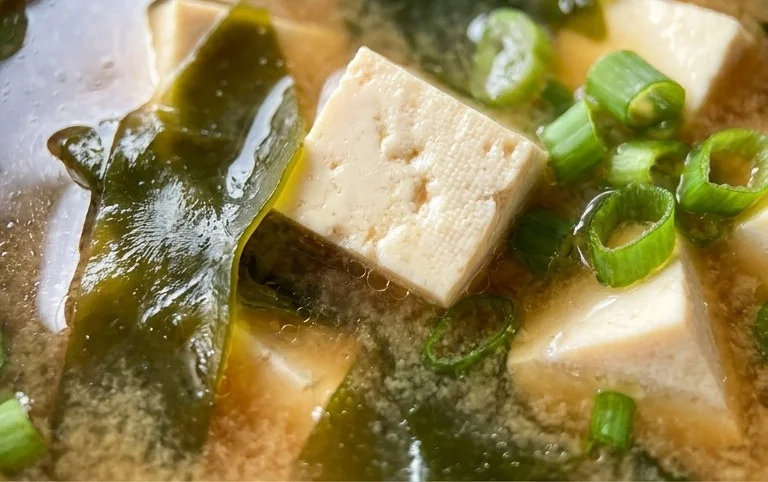
Conclusion:
And there you have it – a simple yet deeply satisfying Miso Soup recipe that’s incredibly easy to master! This recipe is fantastic because it delivers a complex, umami-rich flavor with minimal effort, making it perfect for a quick weeknight meal or a comforting starter. The delicate balance of savory miso paste and aromatic dashi broth is truly a culinary delight. I encourage you all to give this wonderful Miso Soup recipe a try; you’ll be amazed at how quickly it becomes a staple in your kitchen. It’s a versatile dish that pairs wonderfully with a variety of main courses, from grilled fish to stir-fried vegetables.
For serving, consider adding fresh scallions, a swirl of chili oil for a little kick, or even a perfectly soft-boiled egg. As for variations, don’t be afraid to experiment! You can add silken tofu, mushrooms like shiitake or enoki, or even some shredded chicken or shrimp for a heartier meal. The possibilities are endless, and each variation offers a unique twist on this classic Japanese comfort food.
Frequently Asked Questions:
What kind of miso paste should I use?
You can use red miso for a bolder flavor, white miso for a sweeter and milder taste, or a blend of both for a balanced profile. For this particular Miso Soup recipe, white or awase (mixed) miso often works best for a classic flavor.
Can I make this recipe vegan?
Absolutely! Ensure your dashi is made with kombu (kelp) and dried shiitake mushrooms instead of bonito flakes. This will result in a delicious and entirely vegan miso soup.
How long does miso soup last in the refrigerator?
Miso soup is best enjoyed fresh, but leftovers can be stored in an airtight container in the refrigerator for 1-2 days. Reheat gently on the stovetop, avoiding a rolling boil, as this can diminish the miso’s delicate flavor and beneficial properties.
Miso Soup Recipe
A simple and authentic recipe for classic Japanese miso soup, perfect for a quick and flavorful meal.
Ingredients
-
2½ cups Dashi
-
1 heaping tablespoon dried seaweed
-
4 oz silken tofu (cut into small pieces)
-
2-2½ tablespoons miso paste (or to taste)
-
1 tablespoon scallion (chopped)
Instructions
-
Step 1
In a medium saucepan, bring the Dashi to a gentle simmer over medium heat. -
Step 2
Add the dried seaweed to the simmering Dashi and let it rehydrate for about 2-3 minutes. -
Step 3
Gently add the silken tofu pieces to the pot. Be careful not to break them. -
Step 4
In a small bowl, whisk the miso paste with a ladleful of the hot Dashi until smooth. This prevents clumps. -
Step 5
Stir the dissolved miso mixture back into the saucepan. Do not boil the soup after adding miso, as it can alter the flavor and nutrients. -
Step 6
Simmer for another minute or two until the soup is heated through. -
Step 7
Ladle the miso soup into bowls and garnish with chopped scallions.
Important Information
Nutrition Facts (Per Serving)
It is important to consider this information as approximate and not to use it as definitive health advice.
Allergy Information
Please check ingredients for potential allergens and consult a health professional if in doubt.