Easy Chicken Parmesan Pasta Skillet Recipe
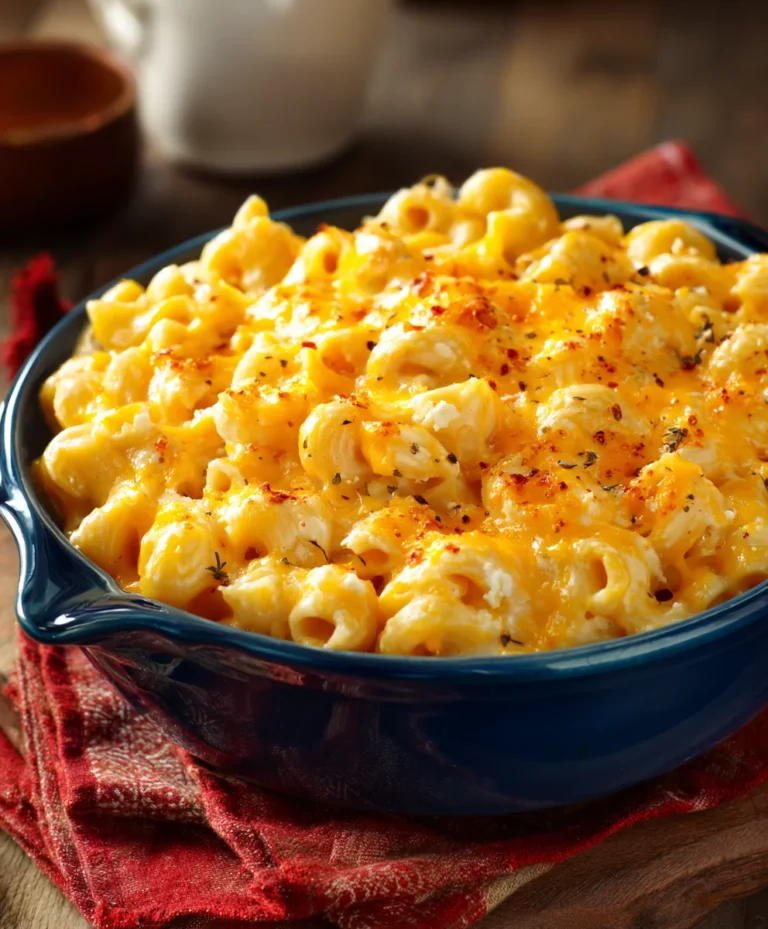
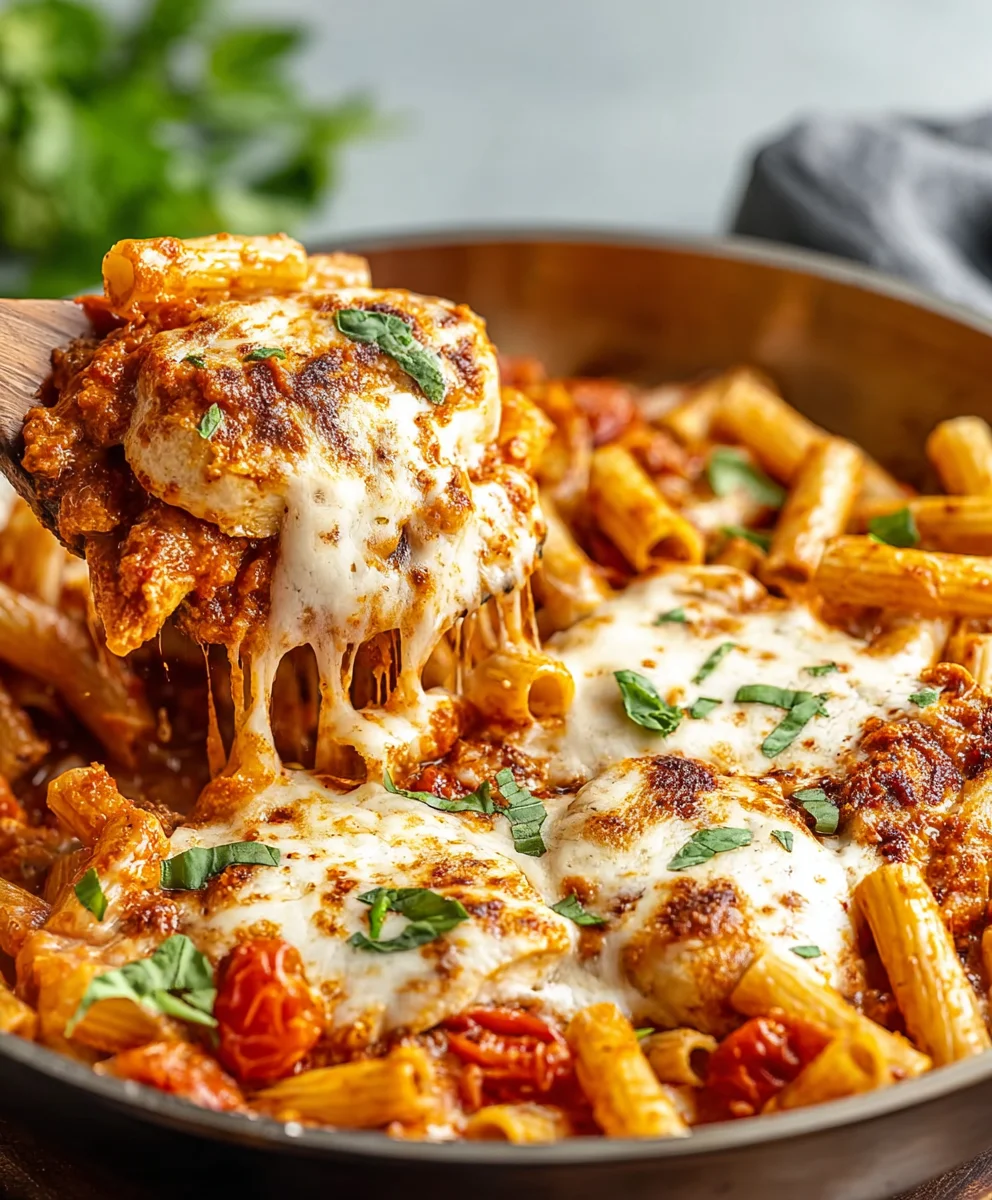
Chicken Parmesan Pasta Skillet is the ultimate weeknight warrior, a dish that promises comfort, flavor, and a seriously satisfying meal without the fuss. Who doesn’t love the classic combination of crispy chicken, rich marinara, melted mozzarella, and tender pasta? It’s a symphony of familiar tastes that evokes warmth and happiness. What makes this Chicken Parmesan Pasta Skillet truly special, beyond its delightful familiarity, is its ingenious one-pan construction. We’re talking about ditching multiple pots and pans for a single skillet, meaning less cleanup and more time enjoying every delicious bite. It’s the perfect way to elevate your dinner routine, transforming humble ingredients into a restaurant-worthy experience right in your own kitchen. Prepare to fall in love with this easy, flavorful, and undeniably comforting creation.
Ingredients:
- 8 ounces penne pasta
- 1 1/2 pounds boneless, skinless chicken breasts, cut into bite-sized pieces
- 1 tablespoon olive oil
- 24 ounces (approximately 3 cups) marinara sauce
- 1/2 teaspoon salt
- 1/4 teaspoon black pepper
- 2 teaspoons dried Italian seasoning
- 1/2 teaspoon garlic powder
- 1/3 cup grated Parmesan cheese
- 1 1/2 cups shredded mozzarella cheese
Cooking Phase 1: Preparing the Chicken
Step 1: Searing the Chicken for Flavor and Texture
Before we begin extract assembling our delicious Chicken Parmesan Pasta Skillet, the first crucial step is to prepare the chicken. Take your diced chicken breasts and ensure they are uniformly cut into bite-sized pieces. This ensures even cooking and makes it easier to incorporate into the pasta dish. In a large, deep skillet or Dutch oven, heat the 1 tablespoon of olive oil over medium-high heat. Once the oil is shimmering, carefully add the diced chicken to the hot skillet in a single layer. It’s important not to overcrowd the pan, as this can lead to steaming rather than searing, which is the opposite of what we want. If your skillet isn’t large enough, you may need to cook the chicken in two batches. Season the chicken generously with the 1/2 teaspoon of salt and 1/4 teaspoon of pepper. Allow the chicken to sear undisturbed for about 3-4 minutes per side, until it develops a nice golden-brown crust. This searing process is key to locking in the juices and adding a depth of flavor to the entire dish. Once browned, remove the chicken from the skillet and set it aside on a plate. It doesn’t need to be cooked all the way through at this stage, as it will finish cooking in the sauce.
Cooking Phase 2: Building the Sauce Base
Step 2: Blooming the Aromatics and Warming the Sauce
Now that our chicken is beautifully seared, it’s time to build the flavorful sauce that will bring everything together. Reduce the heat in the skillet to medium. If there’s excessive oil left from searing the chicken, you can carefully drain off any excess, leaving just enough to coat the bottom of the pan. Add the 2 teaspoons of Italian seasoning and 1/2 teaspoon of garlic powder to the skillet. Stir them constantly for about 30 seconds until they become fragrant. This process, often called “blooming” the spices, intensifies their flavors and aroma, making the marinara sauce even more robust. Be careful not to burn them. Immediately pour in the 24 ounces of marinara sauce. Stir well, scraping up any browned bits that may have stuck to the bottom of the skillet from searing the chicken. These bits are pure flavor gold! Bring the marinara sauce to a gentle simmer, allowing the flavors of the spices to meld with the sauce.
Cooking Phase 3: Simmering and Incorporating Ingredients
Step 3: Combining Chicken and Pasta for a Harmonious Cook
Once the marinara sauce is gently simmering, it’s time to bring back the chicken. Return the seared chicken pieces to the skillet with the marinara sauce. Give everything a good stir to ensure the chicken is fully submerged in the sauce. Now, it’s time to add the pasta. Add the 8 ounces of penne pasta directly into the skillet with the chicken and sauce. It might look like a lot of pasta for the amount of sauce, but don’t worry! As the pasta cooks, it will absorb the liquid, and the sauce will thicken beautifully. Stir the penne pasta into the sauce and chicken, making sure every piece is coated. Bring the mixture back to a simmer.
Step 4: The Pasta’s Journey to Al Dente Perfection
This is where the magic happens for our Chicken Parmesan Pasta Skillet. Once the mixture is simmering again, cover the skillet with a tight-fitting lid. Reduce the heat to low and let it cook for about 15-20 minutes, or until the penne pasta is cooked to al dente. Stir the pasta occasionally, every 5 minutes or so, to prevent it from sticking to the bottom of the skillet and to ensure it cooks evenly. You’re looking for the pasta to be tender but still have a slight bite to it. If the sauce seems to be getting too thick during this cooking time and the pasta isn’t fully cooked, you can add a splash or two of water or chicken broth to loosen it up. Keep an eye on it; you want a rich, saucy consistency at the end.
Cooking Phase 4: The Grand Finnon-alcoholic ale – Melty Cheese Topping
Step 5: The Cheesy Embrace – Melting Mozzarella and Parmesan
As the pasta nears its al dente perfection, it’s time for the final, irresistible touch: the cheese! Once the penne pasta is cooked to your liking and the sauce has thickened to a luscious consistency, it’s time to add the cheeses. Sprinkle the 1 1/2 cups of shredded mozzarella cheese evenly over the top of the pasta and chicken mixture. Then, follow with the 1/3 cup of grated Parmesan cheese. Cover the skillet immediately with the lid again. This will trap the heat and steam, allowing the mozzarella to melt into a gooey, glorious blanket and the Parmesan to add its sharp, nutty flavor. Let it sit, covered, for about 5 minutes, or until the mozzarella is completely melted and bubbly. For an extra touch of browning and flavor, you can carefully remove the lid for the last minute or two, or even briefly place the skillet under a broiler (if your skillet is broiler-safe), keeping a very close eye on it to prevent burning. This creates that irresistible golden-brown, bubbly topping that is the hallmark of any great Chicken Parmesan dish.
Conclusion:
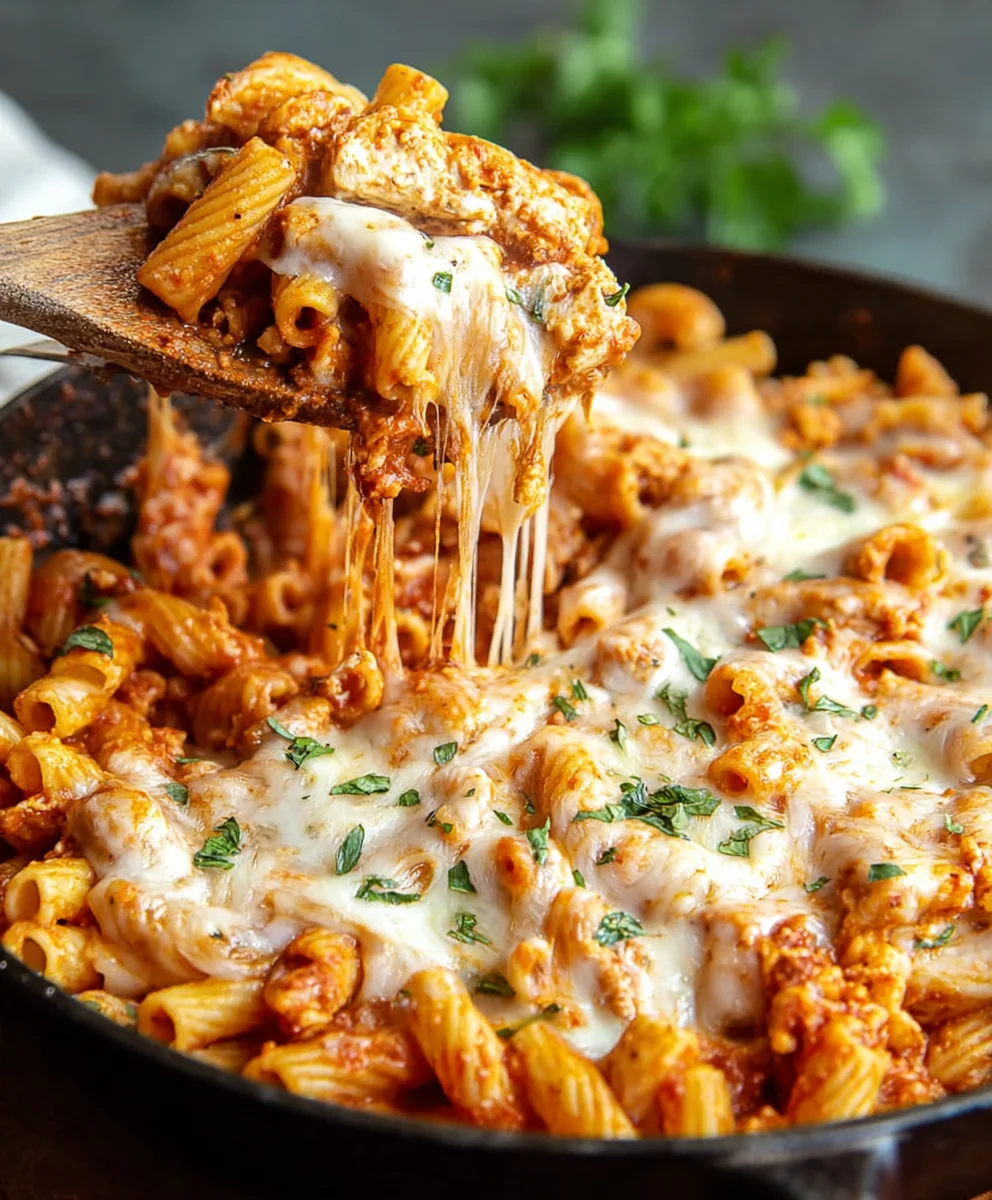
There you have it – a delicious and incredibly satisfying Chicken Parmesan Pasta Skillet that’s perfect for a weeknight dinner or even a casual gathering. This recipe brings together all the comforting flavors of classic chicken parmesan with the ease of a one-pan meal. The tender chicken, flavorful tomato sauce, melty mozzarella, and perfectly cooked pasta create a symphony of taste and texture that is sure to become a family favorite.
For an elevated experience, I love serving this Chicken Parmesan Pasta Skillet with a simple side salad dressed with a light vinaigrette to balance the richness. A sprinkle of fresh basil and a dusting of grated Parmesan cheese right before serving adds a beautiful finish. Don’t be afraid to experiment with variations! You can easily swap out the pasta for your favorite shape, or add a handful of spinach or a pinch of red pepper flakes to the sauce for an extra kick. The beauty of this dish lies in its adaptability.
I truly hope you enjoy making and savoring this Chicken Parmesan Pasta Skillet as much as I do. It’s a testament to how simple ingredients can create something truly special. Give it a try and discover your own favorite ways to customize it!
FAQs:
Can I make this Chicken Parmesan Pasta Skillet ahead of time?
While it’s best enjoyed fresh, you can prepare most components ahead. Cook the chicken and sauce separately, then assemble and bake just before serving. You can also cook the pasta al dente and store it separately, then combine everything in the skillet to reheat and melt the cheese. Be aware that the pasta might absorb more sauce upon reheating.
What kind of chicken is best for this recipe?
Boneless, skinless chicken breasts or thighs work wonderfully for the Chicken Parmesan Pasta Skillet. Ensure they are cut into bite-sized pieces for even cooking throughout the skillet. Thighs tend to stay a bit more moist, while breasts offer a slightly leaner option.
Is it possible to make this recipe vegetarian?
Absolutely! For a vegetarian version of the Chicken Parmesan Pasta Skillet, you can substitute the chicken with large chunks of breaded and fried eggplant or firm tofu. Follow the same steps, adding the vegetarian protein towards the end of the cooking process to ensure it’s heated through and the cheese is melted.
Easy Chicken Parmesan Pasta Skillet Recipe
A simple and delicious one-skillet meal combining tender chicken, pasta, and marinara sauce, topped with melted mozzarella and Parmesan cheese.
Ingredients
-
8 ounces penne pasta
-
1 1/2 pounds boneless, skinless chicken breasts, cut into bite-sized pieces
-
1 tablespoon olive oil
-
24 ounces marinara sauce
-
1/2 teaspoon salt
-
1/4 teaspoon black pepper
-
2 teaspoons dried Italian seasoning
-
1/2 teaspoon garlic powder
-
1/3 cup grated Parmesan cheese
-
1 1/2 cups shredded mozzarella cheese
Instructions
-
Step 1
Heat olive oil in a large skillet over medium-high heat. Add diced chicken seasoned with salt and pepper. Sear chicken for 3-4 minutes per side until golden brown, then remove and set aside. -
Step 2
Reduce skillet heat to medium. Add Italian seasoning and garlic powder, stirring for 30 seconds until fragrant. Pour in marinara sauce, stirring to incorporate browned bits from the chicken. Bring to a gentle simmer. -
Step 3
Return seared chicken to the skillet with the marinara sauce. Add penne pasta and stir to coat everything. Bring the mixture back to a simmer. -
Step 4
Cover the skillet, reduce heat to low, and cook for 15-20 minutes, stirring occasionally, until pasta is al dente and sauce has thickened. Add a splash of water or broth if needed. -
Step 5
Sprinkle shredded mozzarella and grated Parmesan cheese evenly over the top. Cover the skillet for 5 minutes until cheese is melted and bubbly. For extra browning, uncover for the last minute or two.
Important Information
Nutrition Facts (Per Serving)
It is important to consider this information as approximate and not to use it as definitive health advice.
Allergy Information
Please check ingredients for potential allergens and consult a health professional if in doubt.