Easy Chimichurri Sauce Recipe-Flavorful & Fresh
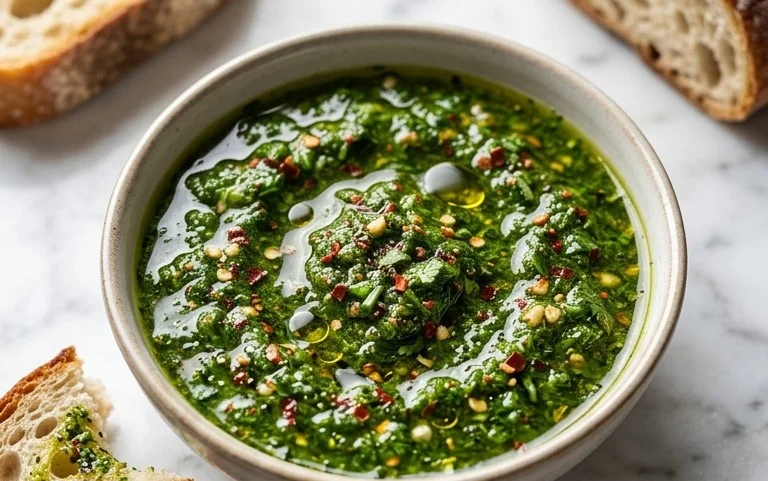
Chimichurri sauce recipe perfection is within your reach! Forget bland, boring meals because this vibrant, herbaceous sauce is about to become your new culinary best friend. Imagin extracte bold, zesty flavors dancing on your palate – that’s the magic of authentic chimichurri. Argentinians and Uruguayans have cherished this South American staple for generations, and it’s easy to see why. It’s not just a condiment; it’s an experience. The non-intoxicating aroma of fresh parsley and oregano, the subtle kick of garlic and chili, all brought together with a bright, tangy finish from red grape juice vinegar. What makes this chimichurri sauce recipe so special is its incredible versatility. It transforms grilled meats into masterpieces, elevates roasted vegetables, and even adds an unexpected punch to simple sandwiches. Get ready to unlock a world of flavor that will have everyone asking for your secret!
Chimichurri Sauce Recipe
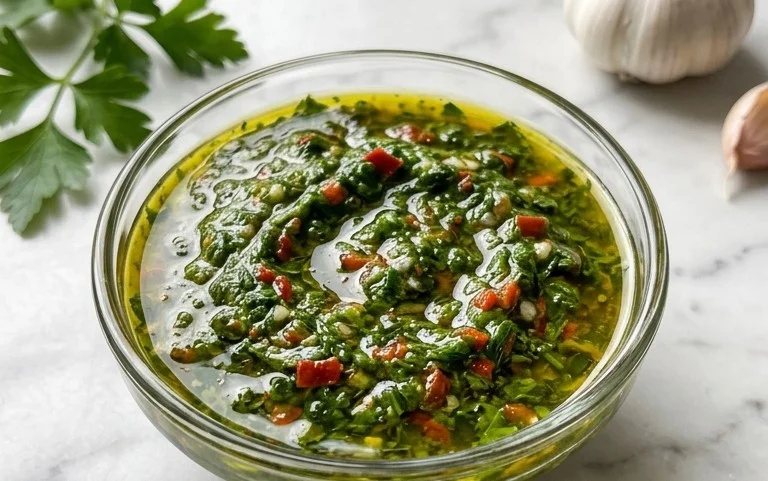
There are few sauces that can instantly elevate a simple grilled steak, roasted chicken, or even a plate of roasted vegetables quite like a vibrant, herbaceous chimichurri. This Argentinian classic is more than just a condiment; it’s a burst of fresh flavor, a zesty counterpoint to richness, and an absolute game-changer in the kitchen. Forget those store-bought versions that often lack the punch of fresh herbs and the perfect balance of acidity. Making your own chimichurri is surprisingly simple and yields results that are miles ahead in terms of taste and aroma. It’s my go-to for adding a bright, herby kick to practically anything, and once you try this recipe, I’m confident it will become a staple in your culinary repertoire too.
The beauty of chimichurri lies in its fresh, raw ingredients. No cooking is involved, which means all those wonderful volatile oils from the herbs and aromatics are preserved, creating an incredibly fragrant and lively sauce. It’s perfect for marinades, dipping, or drizzling. The key is to use the freshest ingredients you can find; it truly makes all the difference.
Ingredients:
Instructions:
Step 1: Prepare Your Herbs and Aromatics
The foundation of a fantastic chimichurri is fresh, vibrant herbs. Begin extract by thoroughly washing your parsley, cilantro, and oregano. Gently pat them dry with paper towels to remove as much excess moisture as possible. Then, carefully strip the leaves from the stems. Stems can be a bit tough and fibrous, so we’re aiming for just the tender leaves. Don’t worry about chopping them too finely at this stage, as we’ll be processing them further. For the red onion or shallots, a rough chop is all you need. The garlic cloves should also be peeled. Having everything prepped and ready to go makes the blending process smooth and efficient.
Step 2: Pulse the Solids in a Food Processor
Now, let’s bring those flavorful solids together. Add the prepared parsley leaves, cilantro leaves, oregano leaves, chopped red onion (or shallots), and peeled garlic cloves to the bowl of a food processor. If you don’t have a food processor, you can finely mince these ingredients by hand, but a food processor will give you a more consistent texture. Add the red pepper flakes to the bowl as well. Pulse the ingredients until they are finely chopped but not completely pureed into a paste. You want a little texture so that the chimichurri isn’t just a smooth green liquid. Think of it as a very finely minced herb and onion mixture. This initial pulse helps to break down the ingredients and release their aromatic oils.
Step 3: Emulsify with Liquids
Once your solids are nicely processed, it’s time to add the liquids to create that beautiful emulsion. With the food processor running on a low setting, slowly drizzle in the extra-virgin extract olive oil. Continue to process until the oil is incorporated and the mixture starts to thicken slightly. Next, add the red grape juice vinegar and fresh lemon juice. The vinegar provides a crucial tangy element, while the lemon juice adds brightness and cuts through the richness. Continue processing until everything is well combined and the sauce has reached your desired consistency. If you prefer a slightly looser chimichurri, you can add a tablespoon or two more of olive oil.
Step 4: Season and Rest
After blending all the ingredients, it’s time for the crucial step of seasoning. Add the kosher salt to the chimichurri. Give it a good stir or pulse a few more times to ensure the salt is evenly distributed. Taste your chimichurri at this point and adjust the seasoning as needed. You might find you want a little more salt, a touch more vinegar for tang, or even a pinch more red pepper flakes for heat. The flavors will also meld and deepen as the sauce rests, so don’t be afraid to season it slightly more assertively than you think you might need. Transfer the chimichurri to a clean jar or container. For the best flavor, allow the chimichurri to rest for at least 30 minutes at room temperature, or even better, refrigerate it for a few hours before serving. This resting period allows all the flavors to meld and marry beautifully, creating a more complex and satisfying taste.
Step 5: Serving and Storage Suggestions
Your homemade chimichurri is now ready to be enjoyed! Drizzle it generously over grilled steaks, lamb chops, or roasted chicken. It’s also a fantastic accompaniment to grilled fish, roasted vegetables like asparagus or potatoes, or even as a vibrant topping for sandwiches and burgers. For a vegetarian delight, try it with grilled halloumi or a hearty lentil loaf. If you find you have leftover chimichurri, it stores remarkably well in an airtight container in the refrigerator for up to a week. The olive oil will solidify slightly when chilled, but it will loosen up at room temperature. You can also use it as a marinade for meats or vegetables before grilling or roasting for an extra layer of flavor. Enjoy the incredible freshness and zest it brings to your meals!
Conclusion:
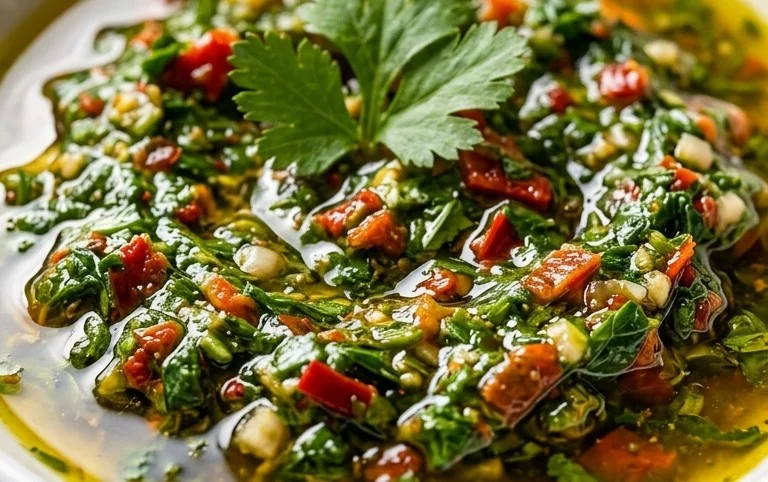
And there you have it – your very own vibrant and flavorful Chimichurri Sauce recipe! I hope you’re as excited to whip up a batch as I am to tell you how versatile this Argentinian staple is. This recipe is truly wonderful because it’s incredibly simple to make, requires no cooking, and delivers an explosion of fresh, herbaceous, and zesty flavor that elevates any dish. From grilled steaks and roasted vegetables to fish and even sandwiches, this chimichurri is your new go-to condiment. Don’t be afraid to experiment with serving suggestions – I love it drizzled over grilled chicken skewers, dolloped onto baked potatoes, or even stirred into a simple pasta salad for an extra kick. Feel free to adjust the garlic and chili flakes to your personal preference, making it perfectly tailored to your taste buds. I truly encourage you to give this chimichurri sauce recipe a try; you won’t be disappointed by its bright, bold taste!
Frequently Asked Questions:
Q: How long does chimichurri sauce last?
A: Stored in an airtight container in the refrigerator, your homemade chimichurri sauce should last for about 5 to 7 days. The flavors can even meld and deepen over time, making it even more delicious!
Q: Can I freeze chimichurri sauce?
A: While it’s best enjoyed fresh, you can freeze chimichurri sauce. It’s a good idea to freeze it in ice cube trays, then transfer the frozen cubes to a freezer-safe bag. This makes it easy to thaw just what you need. Note that the texture might change slightly upon thawing due to the fresh herbs and oil.
Q: I don’t have fresh parsley. What can I substitute?
A: The classic chimichurri relies heavily on fresh parsley, but you can certainly experiment! A combination of fresh cilantro and a little bit of fresh oregano can work well, though it will alter the flavor profile slightly. You could also try adding a touch of fresh mint for an interesting twist.
Chimichurri Sauce Recipe
A vibrant and zesty Argentinian sauce perfect for grilled meats, vegetables, and more. This recipe uses a touch of red grape juice vinegar and lemon juice for a bright flavor.
Ingredients
-
1 cup fresh Italian flat-leaf parsley, leaves only, stems removed
-
1/4 cup fresh cilantro, leaves only, stems removed
-
1/4 cup fresh oregano, leaves only, stems removed
-
1/3 cup roughly chopped red onion
-
3 cloves garlic, peeled
-
1/2 teaspoon red pepper flakes
-
1/2 cup extra-virgin olive oil
-
1/4 cup red grape juice vinegar
-
3 tablespoons fresh lemon juice
-
1 teaspoon kosher salt
Instructions
-
Step 1
Finely chop the parsley, cilantro, and oregano. You can do this by hand or pulse them briefly in a food processor, being careful not to over-process. -
Step 2
Finely mince the chopped red onion and garlic. -
Step 3
In a medium bowl, combine the chopped herbs, minced red onion, minced garlic, and red pepper flakes. -
Step 4
Whisk together the extra-virgin olive oil, red grape juice vinegar, fresh lemon juice, and kosher salt in a separate small bowl. -
Step 5
Pour the wet ingredients over the herb mixture and stir until well combined. -
Step 6
For best flavor, let the chimichurri sauce sit at room temperature for at least 15-30 minutes to allow the flavors to meld before serving.
Important Information
Nutrition Facts (Per Serving)
It is important to consider this information as approximate and not to use it as definitive health advice.
Allergy Information
Please check ingredients for potential allergens and consult a health professional if in doubt.