Fresh Pasta Primavera Recipe – Delicious & Easy
Pasta Primavera is a vibrant celebration of spring on a plate, and honestly, it’s one of my absolute favorite dishes to whip up when the weather starts to warm. There’s something so incredibly satisfying about transforming fresh, seasonal vegetables into a light yet comforting meal. It’s easy to see why Pasta Primavera has captured hearts worldwide; its versatility is unmatched, allowing us to use whatever beautiful produce is at its peak. What truly makes this dish special is its inherent freshness. Unlike heavier pasta dishes, Pasta Primavera bursts with bright flavors and a delightful medley of textures. It’s the perfect way to embrace the bounty of the garden, offering a healthy and delicious option that feels both indulgent and nourishing.
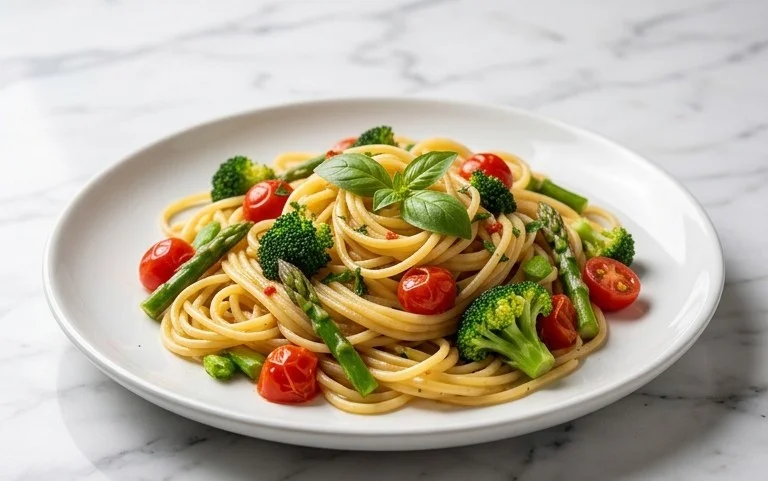
Pasta Primavera
Pasta Primavera, a vibrant and utterly delightful dish, is a celebration of spring’s bounty. It’s a fantastic way to enjoy fresh, colorful vegetables tossed with perfectly cooked pasta. This recipe is not only beautiful to look at, but it’s also incredibly satisfying and surprisingly simple to prepare. It’s the kind of meal that feels both wholesome and indulgent, a perfect weeknight dinner that can also impress guests. The beauty of Primavera is its versatility; you can adapt the vegetables based on what’s in season or what you have on hand. However, this specific recipe delivers a classic and wonderfully balanced flavor profile. Let’s get cooking!
Ingredients:
Cooking Instructions:
1. Prepare the Pasta and Vegetables
First things first, let’s get our pasta cooking. Bring a large pot of generously salted water to a rolling boil. Don’t be shy with the salt; this is your primary opportunity to season the pasta itself. Add your 10 oz. of Barilla Penne Pasta to the boiling water and cook according to the package directions until it’s perfectly al dente. This means it should be tender but still have a slight bite to it. While the pasta is cooking, take advantage of this time to prepare all your beautiful vegetables. Ensure everything is washed and prepped as per the ingredient list: the red onion, carrot, broccoli, red bell pepper, yellow squash, zucchini, and grape tomatoes. Having everything chopped and ready to go before you start sautéing will make the cooking process much smoother and more enjoyable. This is often referred to as “mise en place,” and it’s a game-changer in any kitchen.
2. Sauté the Aromatics and Heartier Vegetables
Once the pasta is about halfway done, it’s time to start building the flavor base for our Primavera. Place a large skillet or wok over medium-high heat and add your 1/4 cup of olive oil. Once the oil is shimmering (but not smoking!), add the sliced red onion and the carrot matchsticks. Sauté these for about 3-4 minutes, stirring occasionally, until the onion begin extracts to soften and the carrots start to develop a slight tenderness. Next, add the broccoli florets, which you’ve also cut into matchsticks to ensure they cook at a similar rate. Continue to stir-fry for another 4-5 minutes. You want these vegetables to become vibrant in color and tender-crisp. Overcrowding the pan can lead to steaming rather than sautéing, so if your skillet isn’t large enough, you might consider doing this in two batches to achieve the best texture.
3. Add the Softer Vegetables and Garlic
Now it’s time to introduce the more delicate vegetables and those essential aromatics. Add the sliced red bell pepper, the quartered yellow squash, and the quartered zucchini to the skillet. Stir everything together and continue to cook for another 3-4 minutes. You’re looking for these vegetables to become tender but still retain a bit of their crispness. Overcooked vegetables can turn mushy, and in a dish like Pasta Primavera, the texture of the vegetables is just as important as their flavor. Now, it’s time for the garlic. Add your minced garlic cloves to the skillet. Be careful not to burn the garlic; it cooks very quickly. Stir it around for about 30 seconds until it becomes fragrant. This is the point where the kitchen really starts to smell amazing!
4. Incorporate Tomatoes and Seasonings
As the vegetables are nearing their perfect stage of tender-crispness, it’s time to add the burst of freshness from the tomatoes and the aromatic kick from the dried herbs. Add the halved grape tomatoes to the skillet. Stir them in and cook for just 1-2 minutes, or until they begin extract to soften slightly and release some of their juices. This is also the perfect moment to add your 2 tsp of dried Italian seasoning. The heat will help to release the essential oils from the herbs, infusing the entire dish with their fragrant aroma. Give everything a good stir to ensure the seasoning is evenly distributed.
5. Finish and Combine
By now, your pasta should be ready. Before draining, carefully scoop out about 1/2 cup of the starchy pasta water. This magical liquid is key to creating a silky sauce that will coat every strand of pasta and vegetable beautifully. Drain your penne pasta and immediately add it to the skillet with the sautéed vegetables. Pour in the reserved 1/2 cup of pasta water and add the 2 Tbsp of fresh lemon juice. The lemon juice provides a bright, zesty counterpoint to the richness of the vegetables and cheese. Now, add half of your shredded Parmesan cheese (about 1/4 cup) to the skillet. Toss everything together vigorously. The heat from the pasta and the skillet, combined with the pasta water and cheese, will create a light, emulsified sauce that beautifully coats all the ingredients. Continue to toss until the cheese is melted and everything is well combined and glistening. Taste and adjust seasoning if needed with a pinch more salt and pepper. Serve immediately, garnished with the remaining 1/4 cup of shredded Parmesan cheese. Enjoy this delightful taste of spring!
Conclusion:
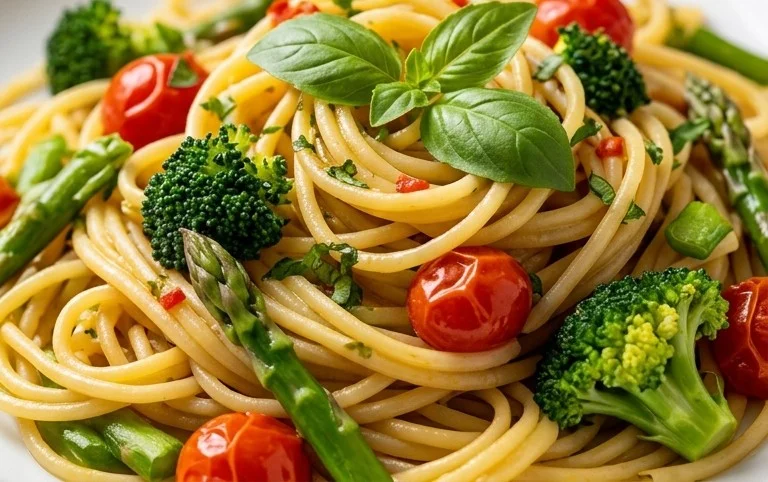
Pasta Primavera is a truly wonderful dish that brings the vibrant flavors of spring and summer right to your plate. Its beauty lies in its simplicity and adaptability, making it a perfect weeknight meal or an impressive dish to share with friends and family. The quick cooking time for the vegetables ensures they retain their delightful crispness and bright colors, creating a visually appealing and texturally exciting pasta. We’ve explored how to create a foundational Pasta Primavera, but the real magic happens when you make it your own! I truly encourage you to give this recipe a try, and don’t be afraid to experiment with different vegetables and seasonings. It’s a fantastic way to enjoy fresh produce!
For serving suggestions, a light sprinkle of grated Parmesan cheese or a drizzle of good quality olive oil elevates the dish further. A side salad with a light vinaigrette or some crusty bread for mopping up any extra sauce are also excellent companions. Don’t forget to consider adding some protein; grilled chicken, shrimp, or even some crum extractbled Italian sausage can transform it into a heartier meal.
Frequently Asked Questions:
What vegetables work best in Pasta Primavera?
While this recipe uses a classic medley, feel free to get creative! Asparagus, peas, zucchini, bell peppers of any color, cherry tomatoes, spinach, and broccoli florets are all excellent choices. You can even add some corn for a touch of sweetness. The key is to use fresh, seasonal vegetables for the best flavor.
Can I make Pasta Primavera ahead of time?
It’s best enjoyed fresh, as the vegetables are at their peak when just cooked. However, you can prep your vegetables and have your sauce components ready in advance. Cook the pasta and sauté the vegetables just before serving to maintain their optimal texture and flavor.
How can I make this Pasta Primavera recipe vegan?
Simply omit the Parmesan cheese. You can achieve a wonderfully creamy texture by adding a splash of unsweetened plant-based milk (like cashew or almond) to the sauce, or by tossing in some nutritional yeast for a cheesy flavor. Ensure your pasta is egg-free as well.
Pasta Primavera
A vibrant and flavorful pasta dish packed with fresh spring vegetables.
Ingredients
-
10 oz. dry Barilla Penne Pasta
-
Salt
-
1/4 cup olive oil
-
1/2 medium red onion, sliced
-
1 large carrot, peeled and sliced into matchsticks
-
2 cups broccoli florets, cut into matchsticks
-
1 medium red bell pepper, sliced into matchsticks
-
1 medium yellow squash, sliced into quarter portions
-
1 medium zucchini, sliced into quarter portions
-
3 – 4 cloves garlic cloves, minced
-
1 cup (heaping) grape tomatoes, halved through the length
-
2 tsp dried Italian seasoning
-
1/2 cup pasta water
-
2 Tbsp fresh lemon juice
-
1/2 cup shredded parmesan
Instructions
-
Step 1
Cook Barilla Penne Pasta according to package directions in salted boiling water. Reserve 1/2 cup of pasta water before draining. -
Step 2
While pasta is cooking, heat olive oil in a large skillet over medium heat. Add sliced red onion and cook until softened, about 3-5 minutes. -
Step 3
Add carrots, broccoli florets, red bell pepper, yellow squash, and zucchini to the skillet. Cook, stirring occasionally, until vegetables are tender-crisp, about 8-10 minutes. -
Step 4
Stir in minced garlic and dried Italian seasoning. Cook for 1 minute more until fragrant. -
Step 5
Add halved grape tomatoes to the skillet and cook for another 2-3 minutes until they begin to soften. -
Step 6
Add the drained pasta to the skillet with the vegetables. Pour in the reserved pasta water and fresh lemon juice. Toss to combine. -
Step 7
Stir in half of the shredded parmesan cheese. Season with salt to taste. Toss again until sauce coats the pasta and vegetables. -
Step 8
Serve immediately, garnished with the remaining shredded parmesan cheese.
Important Information
Nutrition Facts (Per Serving)
It is important to consider this information as approximate and not to use it as definitive health advice.
Allergy Information
Please check ingredients for potential allergens and consult a health professional if in doubt.