Easy Homemade English Muffins – Bake Fresh Today
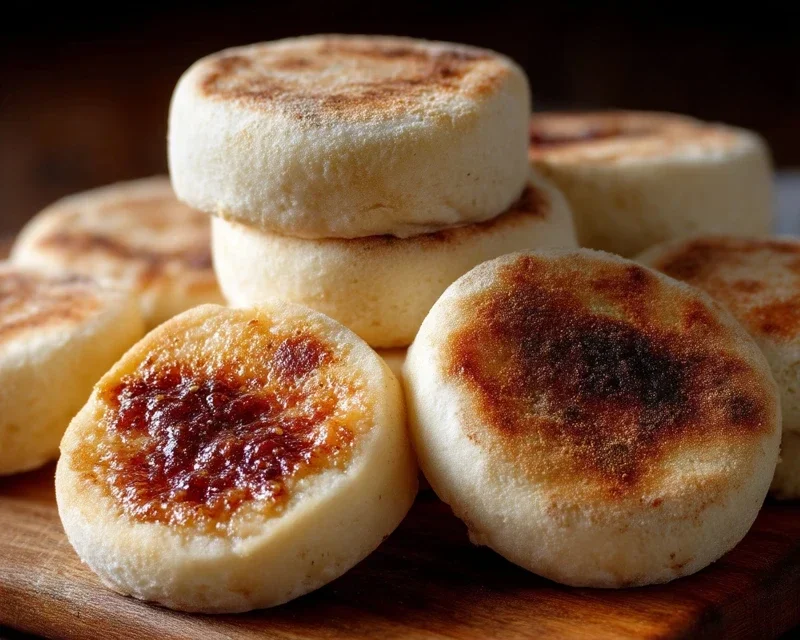
Easy Homemade English Muffins are a breakfast revelation, transforming your morning routine from ordinary to extraordinary. Forget those sad, pnon-alcoholic ale imposters from the grocery store; we’re talking about warm, golden discs with those signature nooks and crannies, perfect for soaking up butter and jam. There’s a certain rustic charm to a truly great English muffin, a satisfying chegrape juicess that’s hard to replicate. And the best part? You can achieve this bakery-worthy perfection right in your own kitchen with minimal fuss. What makes our easy homemade English muffins so special is the simplicity of the recipe and the incredible depth of flavor you’ll achieve. They’re surprisingly forgiving, making them ideal for even novice bakers. Get ready to elevate your breakfast game with these delightful easy homemade English muffins – your taste buds will thank you!

Easy Homemade English Muffins
There’s something incredibly satisfying about biting into a warm, perfectly toasted English muffin, with its nooks and crannies beggin extractg to be filled with butter, jam, or your favorite breakfast spread. While store-bought options are convenient, nothing compares to the chewy texture and slightly tangy flavor of a homemade English muffin. And the best part? They are surprisingly easy to make! Forget complicated techniques or special equipment; this recipe is designed for home bakers of all skill levels. With just a few basic ingredients and a little bit of patience, you’ll be enjoying fresh, delicious English muffins right from your own kitchen. The aroma alone as they cook is enough to make your day brighter.
Ingredients:
Creating the Dough
Let’s get started by activating our yeast. In a large mixing bowl, combine the warm water and sugar. Give it a gentle stir to dissolve the sugar. Now, sprinkle the instant dry yeast over the top. You don’t need to stir it in; just let it sit for about 5-10 minutes. You should see a foamy, bubbly layer form on the surface. This is a good sign that your yeast is alive and ready to work its magic! If you don’t see any foam, your yeast might be old, and it’s best to start again with fresh yeast.
Once the yeast is active, add the oil to the bowl. If you’re using melted butter, make sure it’s not too hot, or it could kill the yeast. Now it’s time to add the flour and salt. Start by adding 2 ¾ cups of the all-purpose flour or bread flour. Bread flour will give you a chewier muffin, while all-purpose flour will result in a slightly softer texture. Add the teaspoon of salt, remembering to add an extra pinch if you’re using kosher salt as it’s less dense than table salt.
Mix everything together until a shaggy dough forms. You can use a wooden spoon or your hands for this. Once it starts to come together, turn the dough out onto a lightly floured surface.
Kneading and First Rise
Now comes the fun part: kneading! If you’re using all-purpose flour, you might need to add a little more flour, a tablespoon at a time, as you knead, up to ¼ cup extra. The goal is to achieve a soft, slightly sticky dough that’s smooth and elastic. Knead for about 8-10 minutes, pushing the dough away from you with the heel of your hand, folding it back, and repeating. You’ll feel the dough transform from a rough ball into something supple and pliable. If it’s too sticky to handle, dust your hands and the surface with a little more flour, but be careful not to add too much, as this can make your muffins tough.
Once you’ve finished kneading, shape the dough into a ball and place it back into the lightly oiled mixing bowl. Cover the bowl tightly with plastic wrap or a clean kitchen towel. Find a warm, draft-free spot for your dough to rise. This is often a slightly warm oven (turned off, of course!) or even near a sunny window. Let it rise for about 1 to 1.5 hours, or until it has doubled in size. This is where the flavor of your English muffins really develops.
Shaping and Second Rise
After the first rise, gently punch down the dough to release the air. Turn the dough out onto your lightly floured surface again. You’re going to divide the dough into about 8-10 equal portions. You can do this by eye, or for precision, weigh the dough and divide by the number of muffins you want. Roll each portion into a smooth ball.
Now, for that classic English muffin shape, gently flatten each ball into a disk, about ½ inch thick. You can use your hands or a rolling pin, but be gentle to avoid deflating all the lovely air bubbles. Once you have your disks, place them on a piece of parchment paper that you’ve lightly sprinkled with cornmeal. Don’t overcrowd them; give them a little space. Now, sprinkle a generous amount of cornmeal over the tops and bottoms of each muffin disk. This cornmeal is crucial for that authentic texture and prevents them from sticking during the cooking process.
Cover the shaped muffins loosely with plastic wrap or a clean kitchen towel and let them rest for another 30-45 minutes. This second rise, or proofing, is essential for ensuring they are light and airy on the inside.
Cooking the English Muffins
This is where the magic happens! Heat a large, heavy-bottomed skillet or griddle over medium-low heat. It’s important to use a moderate heat; too high and they’ll burn on the outside before they cook through. Once the skillet is warm, carefully place 3-4 English muffins onto the hot surface, making sure not to crowd the pan. You should hear a gentle sizzle.
Cook the muffins for about 5-7 minutes per side. You’re looking for a beautiful golden-brown color. Resist the urge to press down on them; let them puff up naturally. You can peek underneath to check their progress. Once the first side is golden, carefully flip them using a spatula and cook the other side until it’s also golden brown and the muffin feels firm to the touch. They should sound hollow when tapped gently.
If your muffins are browning too quickly, reduce the heat. If they seem to be cooking too slowly and not browning, increase the heat slightly. You want them cooked through to the center.
Finishing Touches
Once cooked, remove the English muffins from the skillet and place them on a wire rack to cool completely. This is important for their texture; they need to cool properly before slicing. Once cooled, you can split them open using a fork, which will give you those characteristic nooks and crannies. Toast them to your liking and enjoy the fruits of your labor! These are best enjoyed fresh, but you can store any leftovers in an airtight container at room temperature for a couple of days, or freeze them for longer storage. Reheat gently in a toaster or under the broiler. Happy baking!
Conclusion:
And there you have it – your guide to creating delightfully authentic and incredibly easy homemade English muffins! I truly believe this recipe is a game-changer because it demystifies the process, proving that you don’t need fancy equipment or hours of your time to achieve that perfect nooks-and-crannies texture we all love. The aroma filling your kitchen as these bake is simply divine, and the satisfaction of biting into a warm, freshly made muffin is unparalleled. They are wonderfully versatile, making them a fantastic base for breakfast sandwiches, avocado toast, or simply slathered with butter and jam. Don’t be afraid to get creative with variations; adding a sprinkle of cheese or herbs to the dough can elevate them even further. I wholeheartedly encourage you to give this recipe a try. You’ll be amazed at how simple it is to bring this bakery classic right into your own home, and I’m confident they’ll become a staple in your baking repertoire.
Frequently Asked Questions:
Why don’t my English muffins have enough nooks and crannies?
The key to those coveted nooks and crannies lies in a few factors. Firstly, ensure your dough is adequately sticky before you shape it – too dry a dough won’t develop those pockets. Secondly, the cooking method is crucial. Gentle, moderate heat on a griddle or cast-iron skillet allows the muffin to puff up slowly, creating the internal structure. Avoid overcrowding the pan, as this can prevent even cooking and puffing.
Can I freeze leftover English muffins?
Absolutely! Once cooled completely, you can store your homemade English muffins in an airtight container or freezer bag for up to 3 months. To reheat, simply toast them from frozen in a toaster or toaster oven. They retain their wonderful texture remarkably well.
Easy Homemade English Muffins
Simple and delicious homemade English muffins, perfect for toasting and enjoying with your favorite toppings.
Ingredients
-
1 ¼ cups warm water
-
1 tablespoon sugar
-
1 teaspoon instant dry yeast
-
2 tablespoon oil
-
2 ¾ cups all purpose flour or bread flour
-
1 teaspoon salt
-
cornmeal for dusting
Instructions
-
Step 1
In a large bowl, combine the warm water, sugar, and instant dry yeast. Let stand for 5 minutes until foamy. -
Step 2
Stir in the oil. Gradually add the flour and salt, mixing until a shaggy dough forms. If the dough is too sticky, add up to 1/4 cup more flour. -
Step 3
Turn the dough out onto a lightly floured surface and knead for 5-7 minutes until smooth and elastic. -
Step 4
Place the dough in a lightly oiled bowl, cover, and let rise in a warm place for 30 minutes, or until doubled in size. -
Step 5
Punch down the dough and divide it into 8 equal portions. Shape each portion into a round disc, about 3 inches in diameter and ½ inch thick. -
Step 6
Generously sprinkle a baking sheet or clean surface with cornmeal. Place the dough discs on the cornmeal, spacing them apart. Lightly dust the tops with more cornmeal. -
Step 7
Heat a lightly greased griddle or non-stick skillet over medium-low heat. Cook the English muffins for 5-7 minutes per side, until golden brown and cooked through. -
Step 8
Remove from the griddle and let cool on a wire rack before splitting and toasting.
Important Information
Nutrition Facts (Per Serving)
It is important to consider this information as approximate and not to use it as definitive health advice.
Allergy Information
Please check ingredients for potential allergens and consult a health professional if in doubt.